
Why Pest Control Matters
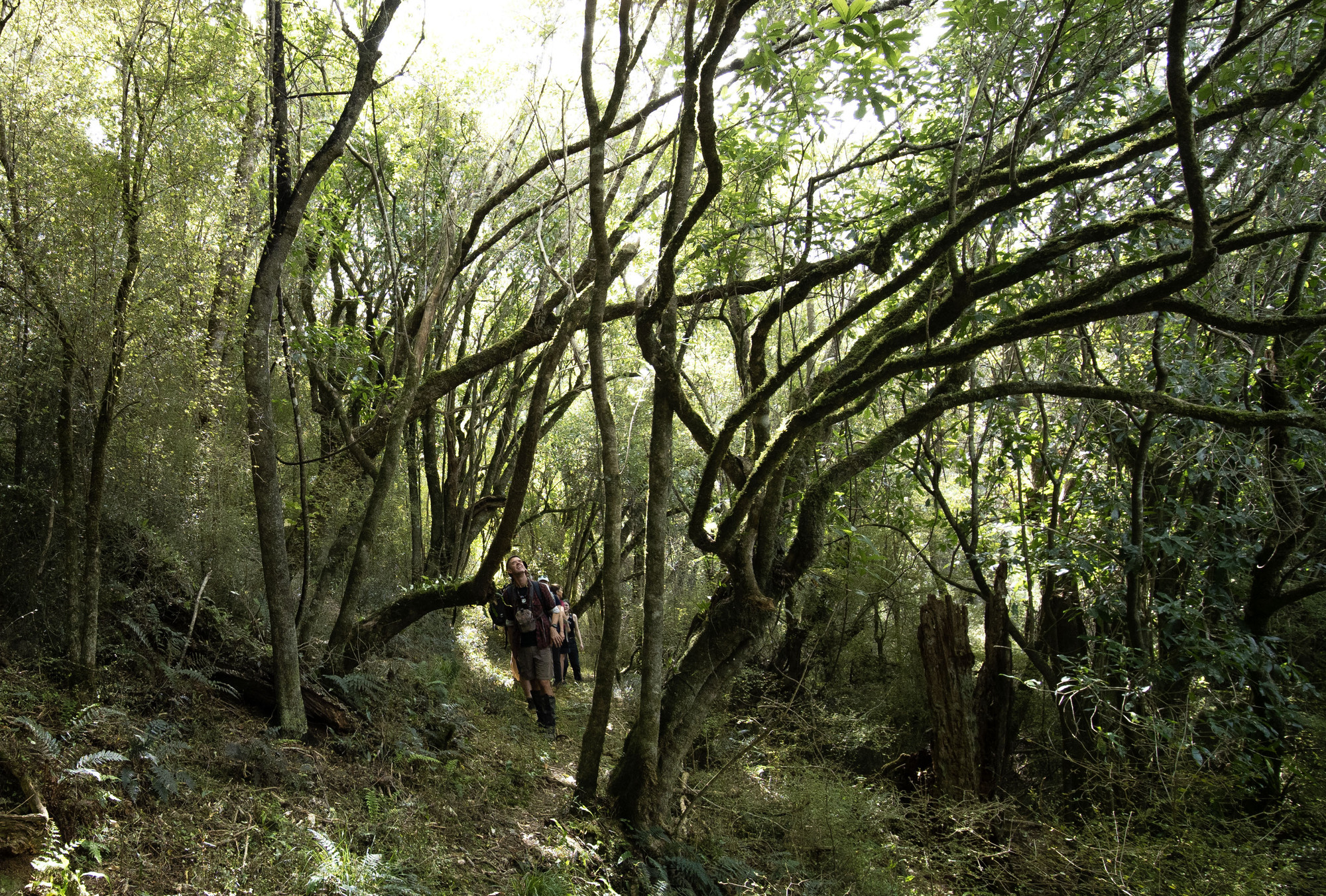
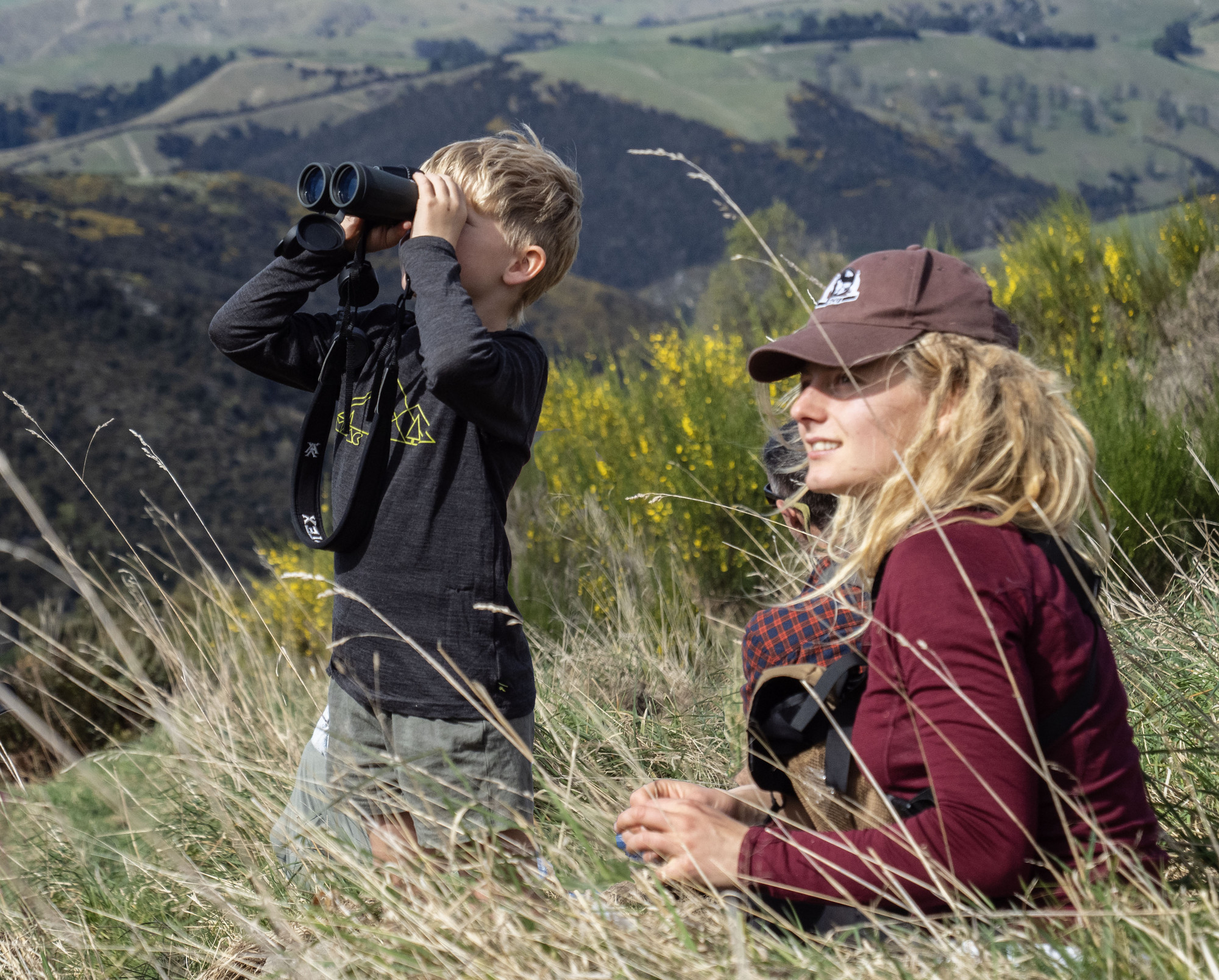
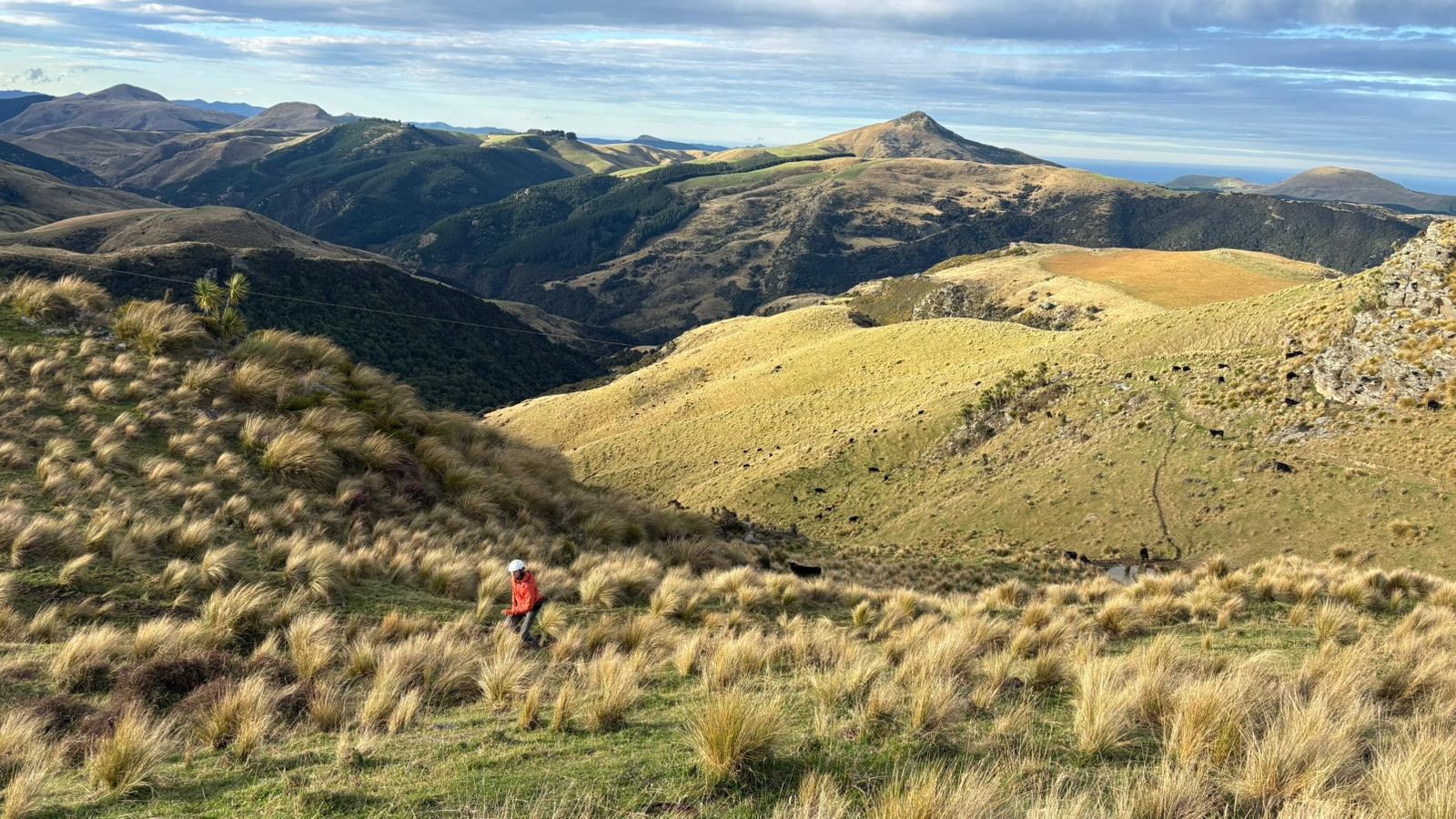
New Zealand’s native wildlife evolved without introduced mammals. As a result, many species are ground-nesting, flightless, or have limited-to-no natural defences against predatation. Without intervention, predators and browsers can push ecosystems past a tipping point. Ecosystem collapse – loss of canopy, understory, seed dispersers, pollinators and populations of tāoka species -- has cascading effects on the health of our landscapes.
By investing in pest control, we are securing the future of taoka species, honouring cultural values, and ensuring Hikaroroa / Mt. Watkin remains a thriving place for our community, both today and for future generations.
Protecting our native species means reducing the pressure from introduced predators and browsing animals. Stoats, ferrets, weasels, possums, rats, feral cats, hedgehogs and ungulates such as deer, pigs, and goats all threaten the ecological integrity of Hikaroroa. Without active control, these pests reduce forest regeneration, spread disease, and prey on vulnerable native birds, lizards, invertebrates, and plants.
Our pest control operations are designed to restore balance to the ecosystem by:
Taking a collaborative landscape-scale approach – By working across land tenures which include farms, forestry, scenic reserve, and public conservation land we are achieving the scale necessary to create true landscape-level protection. We hope to set a national example of what it is possible to protect by working together.
Applying data-informed decision making – our ongoing monitoring protocols help us track the changes in pest abundance while ecological health indicators giving us the information we need to understand how effective our control operations are — and if we are falling short.
Employing sustained supression with reinvasion buffers – our trapping and pest control operations are ongoing. We are weaving our learnings from this project into our communial understanding of what it takes to live in right-relationship with this land. Our managment strategy seeks to identify the site specific pest densities we need to maintain for ecosystems to thrive. We aim to maintain that target in our core project area by exanding work to the suurounding landscape to slow the rate at which pests repopulate the area.
Employing a multi-species approach – by taking a multi-species approach we are working toward holistic ecosytem protection so as to release the site from the entire suite of predation and browser threats.
We pride ourselves on project transparency and accountablity, to learn more about our specific operational methodologies, have a read of our most recent trapping and monitoring reports.
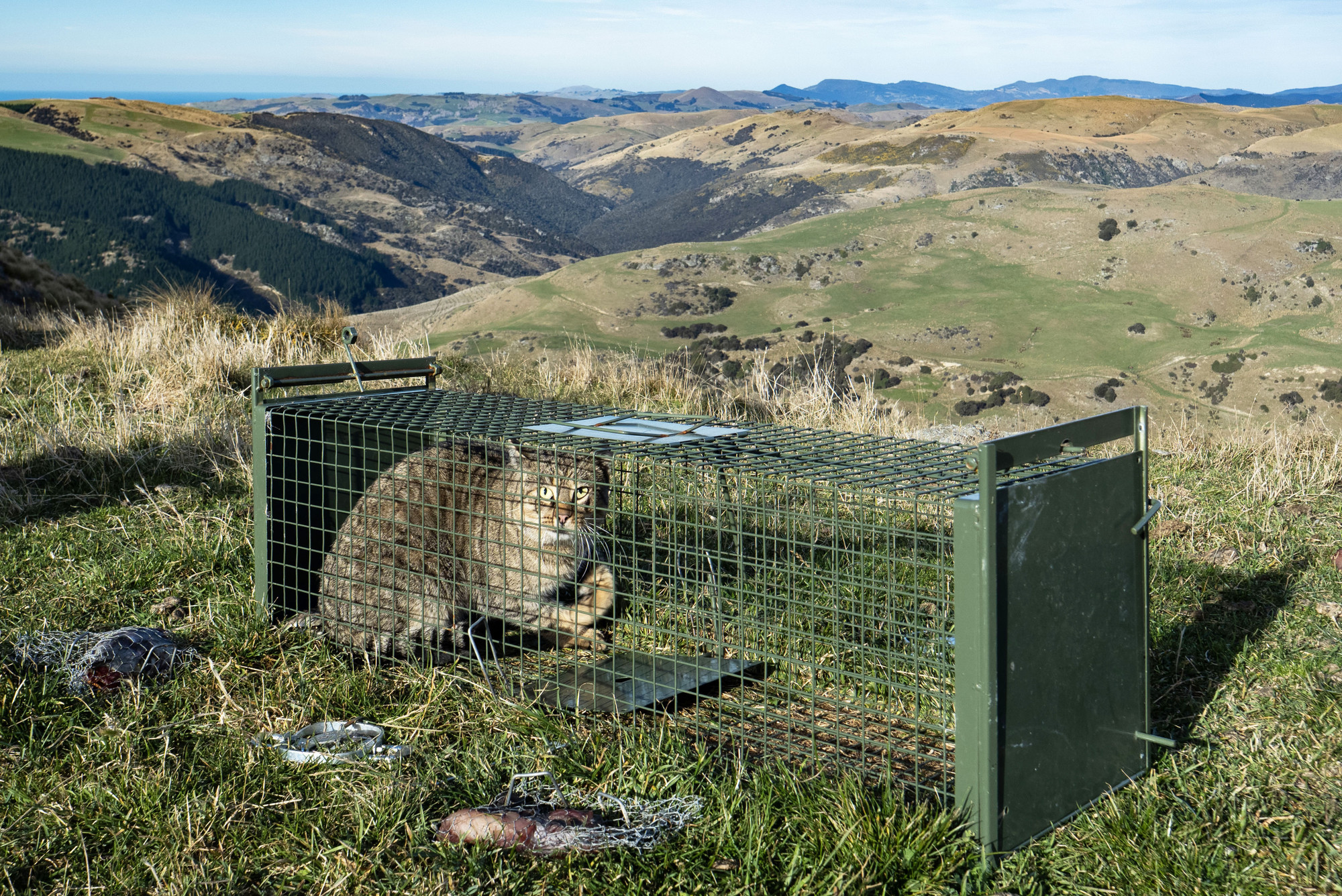
Feral Cats
Feral cats are among the most significant predators of native wildlife at Hikaroroa (Given our remote location, we can be sure that all cats we see at Hikaroroa are indeed feral, not household pets). As highly adaptable generalist hunters, they can prey upon birds, lizards, and large invertebrates -- examples of all have been found in cat stomaches from our project area.
Monitoring at Hikaroroa has confirmed that feral cats are widespread throughout the project area and are consistently the most detectable predator species in the landscape during our standard camera monitoring surveys. As we work towards restoring threatened reptiles, increasing native bird populations, and protecting nationally critical invertebrate populations, reducing cat predation is one of our highest conservation priorities.
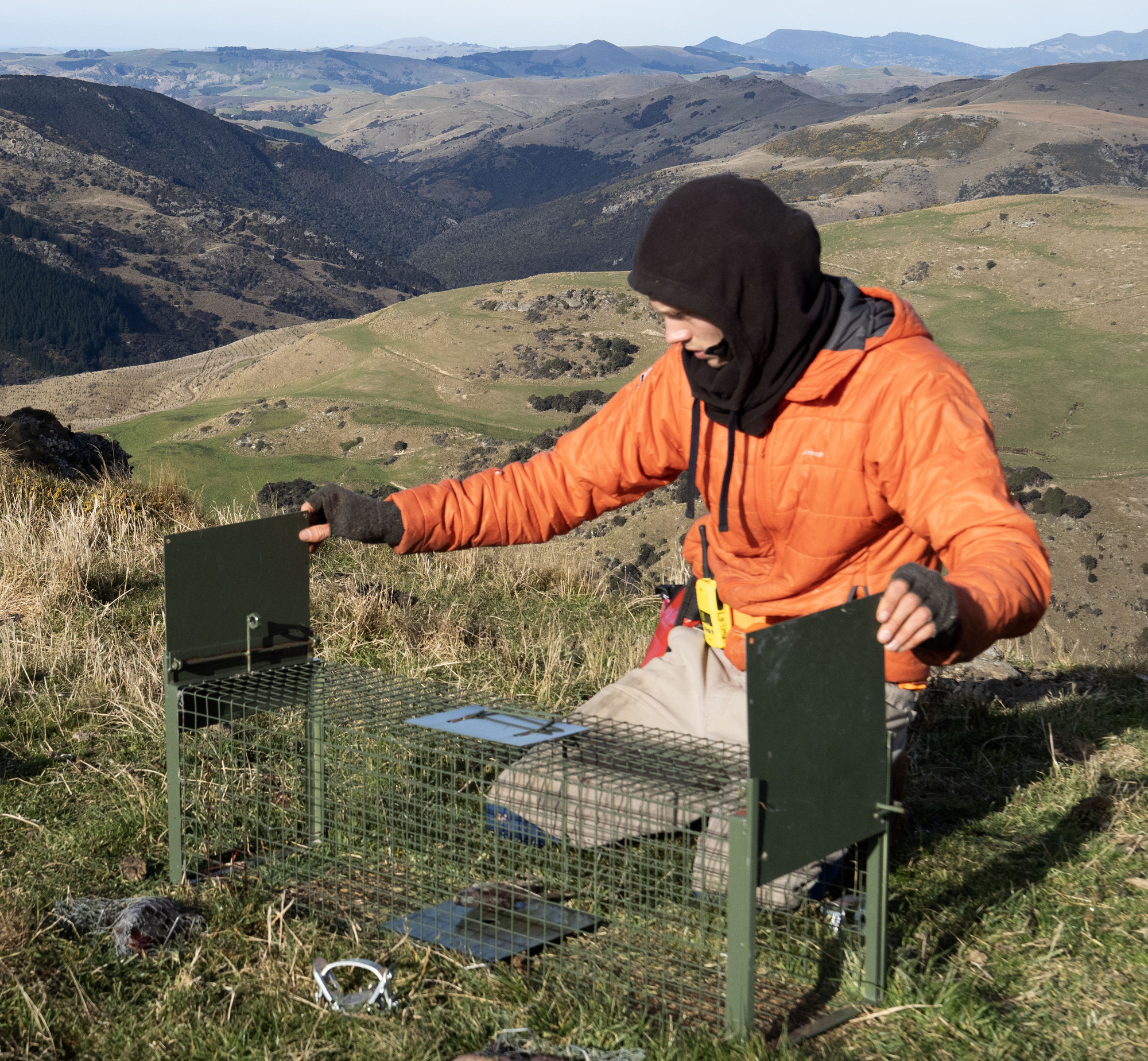
Our programme combines multiple complementary techniques including kill traps, live-capture cage traps, targeted knockdown operations and behavioural camera monitoring. Cameras allow us to understand how cats interact with traps, identify individuals avoiding capture, and continually improve our management techniques.
Management Summary
- Method: Landscape network of SX220 kill traps, targeted live-capture cage trapping, thermal-assisted knockdown operations, behavioural camera monitoring and adaptive trap placement.
- Frequency: Kill traps serviced approximately every 40 days. Targeted knockdown operations undertaken annually or as monitoring indicates increased cat activity.
- Suppression Goal: 50-60% annual population culls for the next 5 years (about 85-100 cats removed each year). Long term we aim to establish at what predator densities bird and invertebrate abundance measurably improves. This will then become our long term density goal.
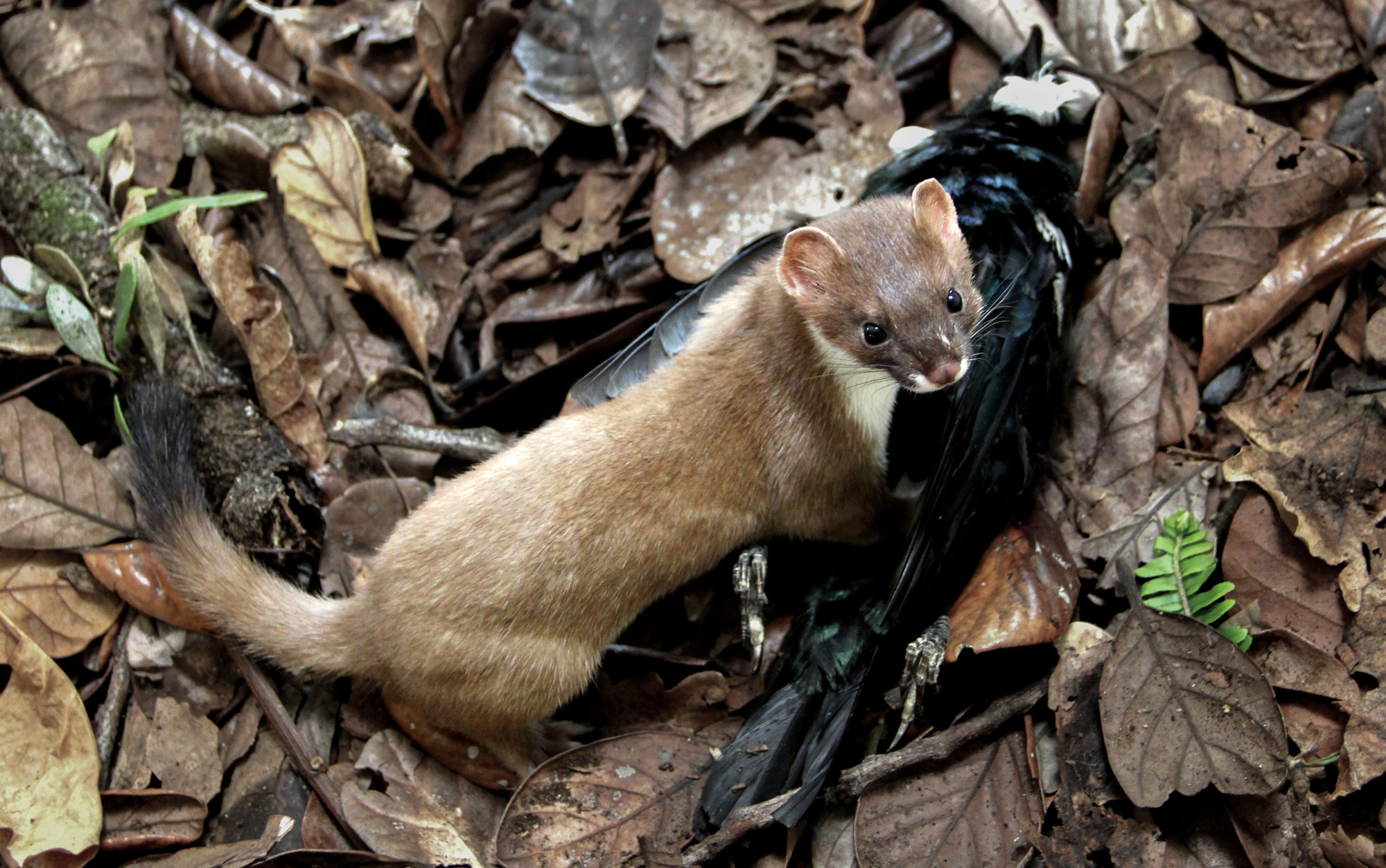
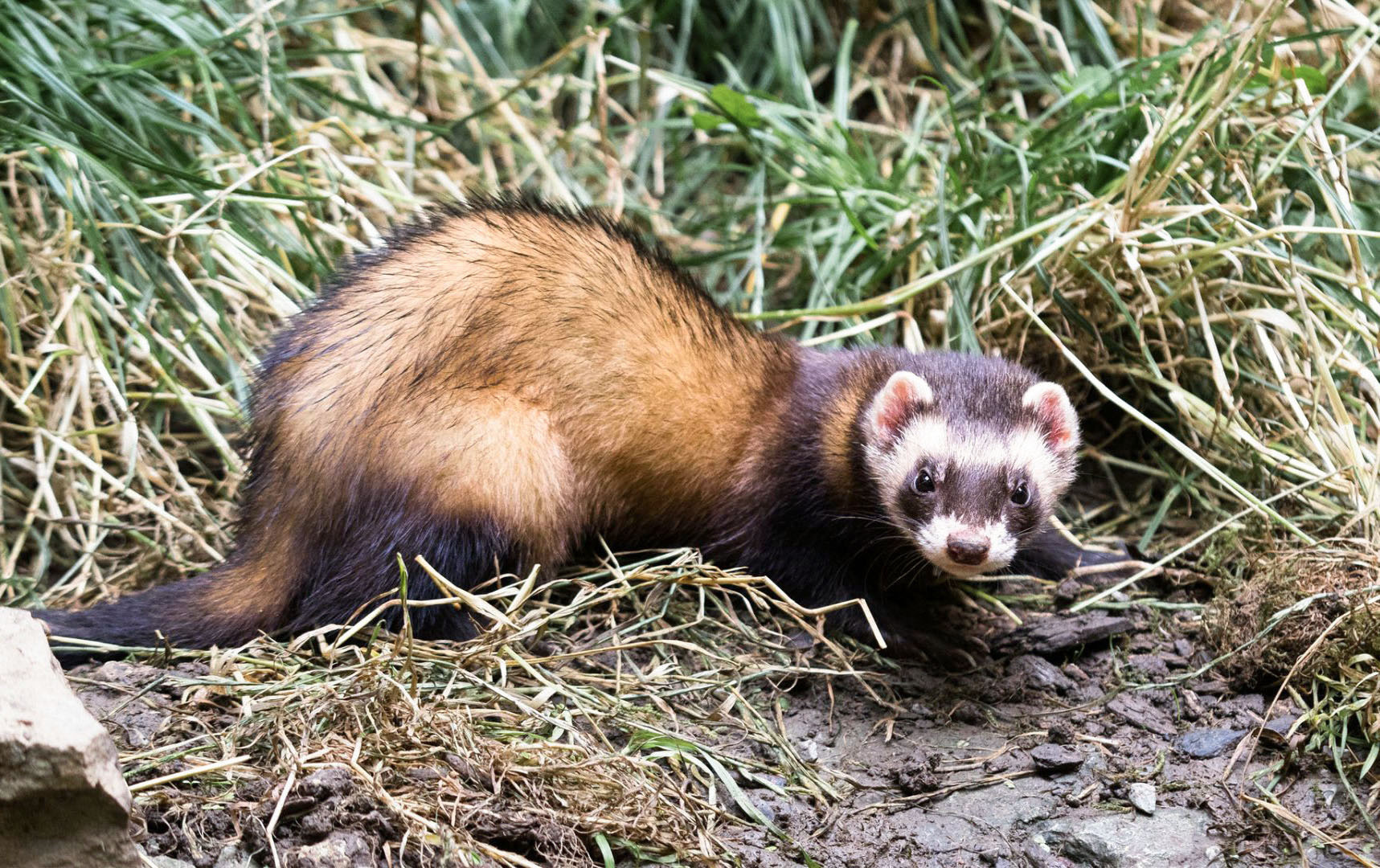
Mustelids
Stoats, ferrets and weasels are efficient predators that have had devastating impacts on New Zealand's native wildlife. Even relatively low numbers of mustelids can prevent vulnerable wildlife populations from recovering, and drive sensitive species to collapse.
While monitoring generally indicates that mustelids occur at relatively low densities, maintaining that low abundance is essential for protecting native birds and creating suitable conditions for future species reintroductions.
Our control network uses DOC200 and DOC250 traps positioned strategically across the landscape to intercept animals moving along natural travel routes. The network continues to expand as funding and volunteer capacity allow, creating increasingly comprehensive protection across both public and private land.
Our objective is to suppress mustelid populations to levels where they no longer limit the recovery of native birds, reptiles and other vulnerable wildlife, while maintaining a sustainable network that can be serviced by trained community volunteers.
Management Summary
- Method: Landscape network of DOC200 and DOC250 kill traps positioned along ridgelines, waterways and natural travel corridors.
- Frequency: Trap network serviced approximately every 40 days, with ongoing expansion as volunteer capacity and funding allow.
- Suppression Goal: 50-60% annual population culls for the next 5 years (about 65-80 mustelids removed each year). Long term we aim to establish at what predator densities bird and invertebrate abundance measurably improves. This will then become our long term density goal.
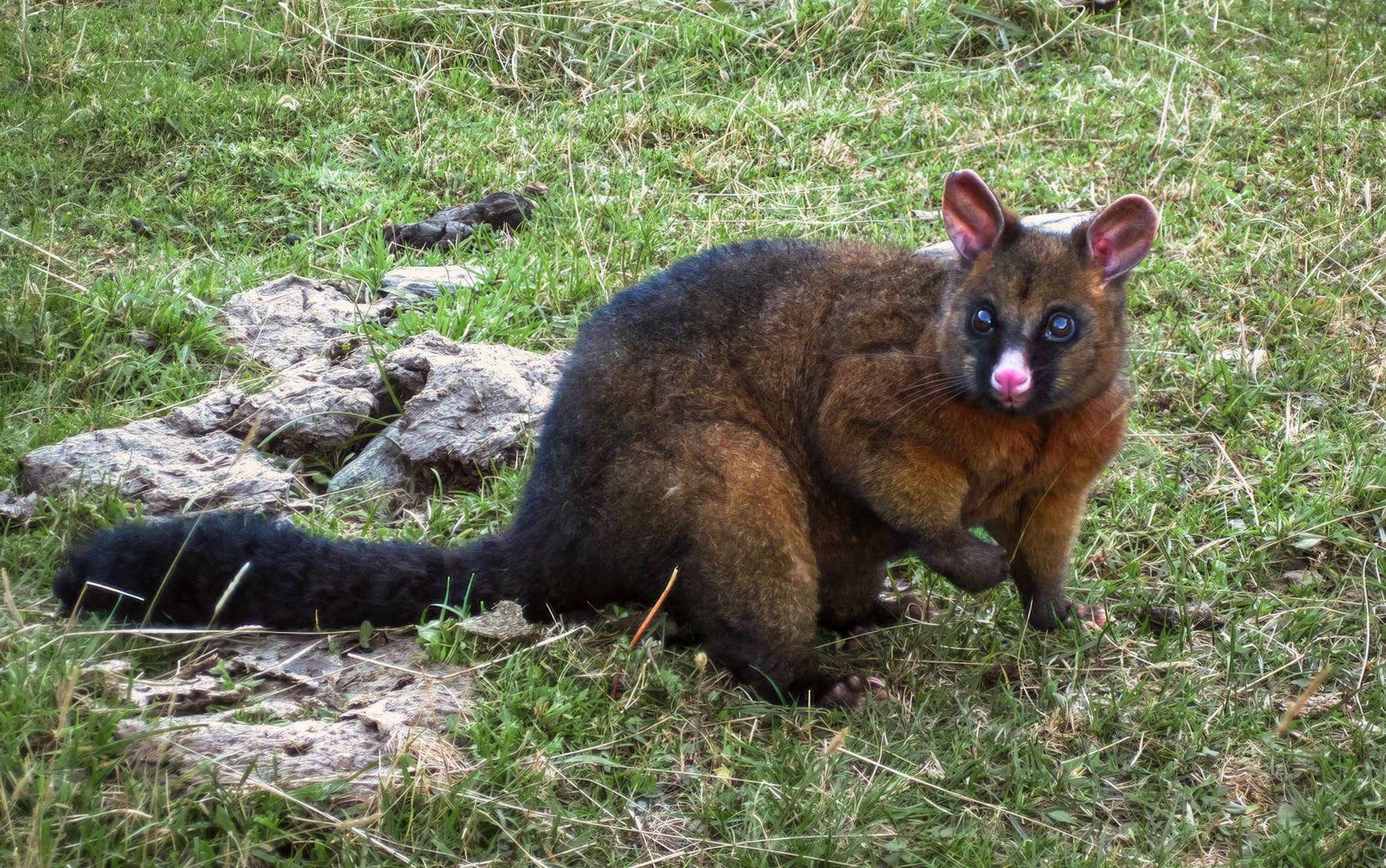
Possums
Commonly recognised for browsing native vegetation, possums also prey upon birds, eggs, chicks and large invertebrates. Browsing possums can dramatically alter forest composition by selectively feeding on some of New Zealand's most palatable tree species, reducing flowering, fruit production and ultimately, the forest's ability to regenerate.
At Hikaroroa, protecting forest health is just as important as protecting wildlife. Healthy forests provide food, essential habitat and shelter for countless native species, meaning reducing possum numbers will benefit the entire ecosystem.
Our landscape-scale network of self-resetting AT220 traps provides year-round possum control across the project area. Nationally standardized annual monitoring using wax tags allows us to measure changes in possum abundance and continually refine the placement and density of traps where required.
Management Summary
- Method: Landscape-scale network of self-resetting AT220 traps serviced by a mix of contractors and community members evey 6-months. We use encapsulated cyanide (Feratox) as an infestation response if possum numbers surpass what our traps can handle.
- Frequency: Trap networkis serviced every 6 months, Feratox knockdown when numbers surpass ~5% Residual Trap Catch (RTC) equivelent.
- Suppression Goal: Maintain possum populations at ≤5% Residual Trap Catch (RTC) equivalent across the project area. Biodiversity monitoring data will help us in determining if this is enough to protect our forests and wildlife. If it's not, we will ramp up the pressure!
Ungulates
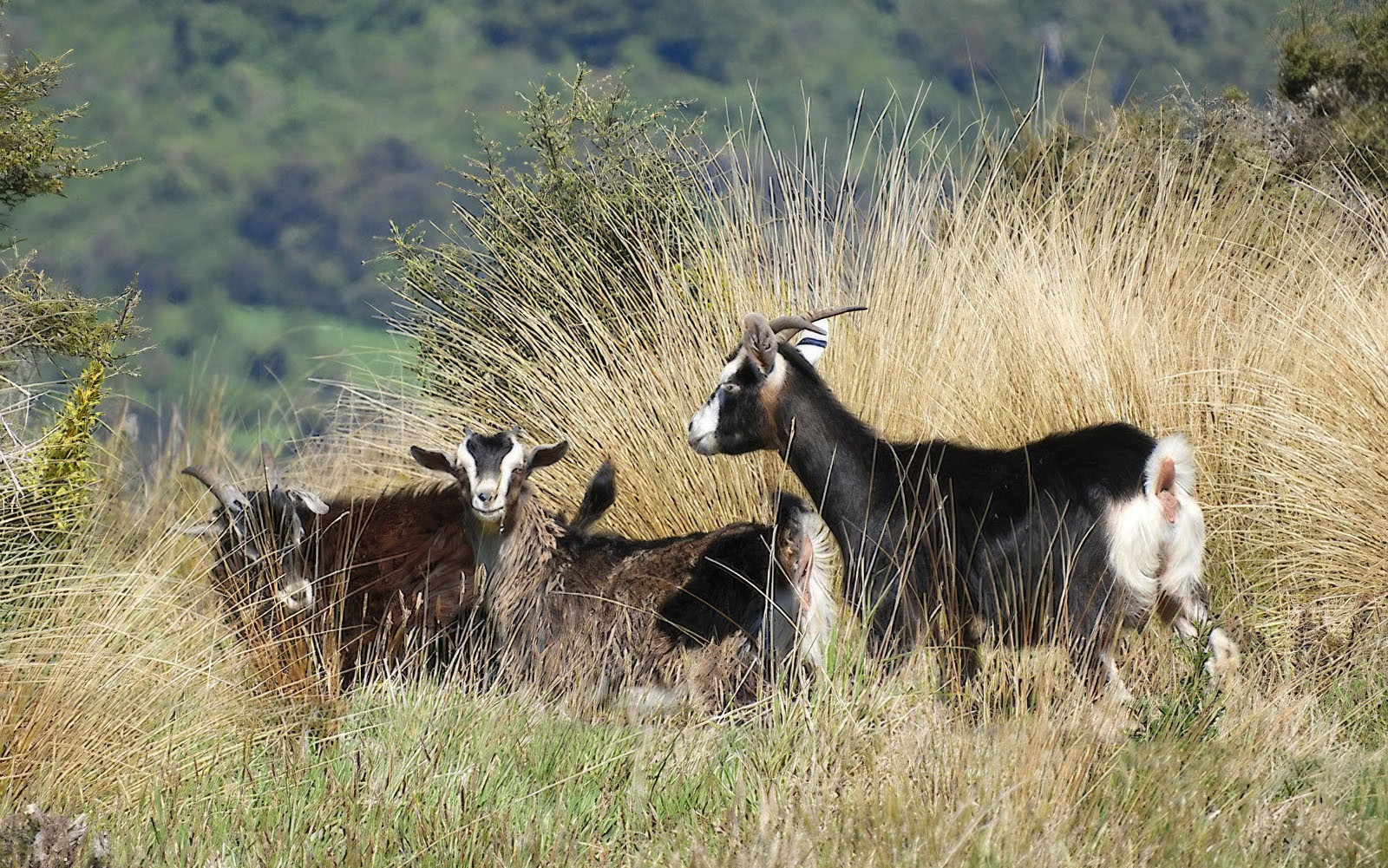
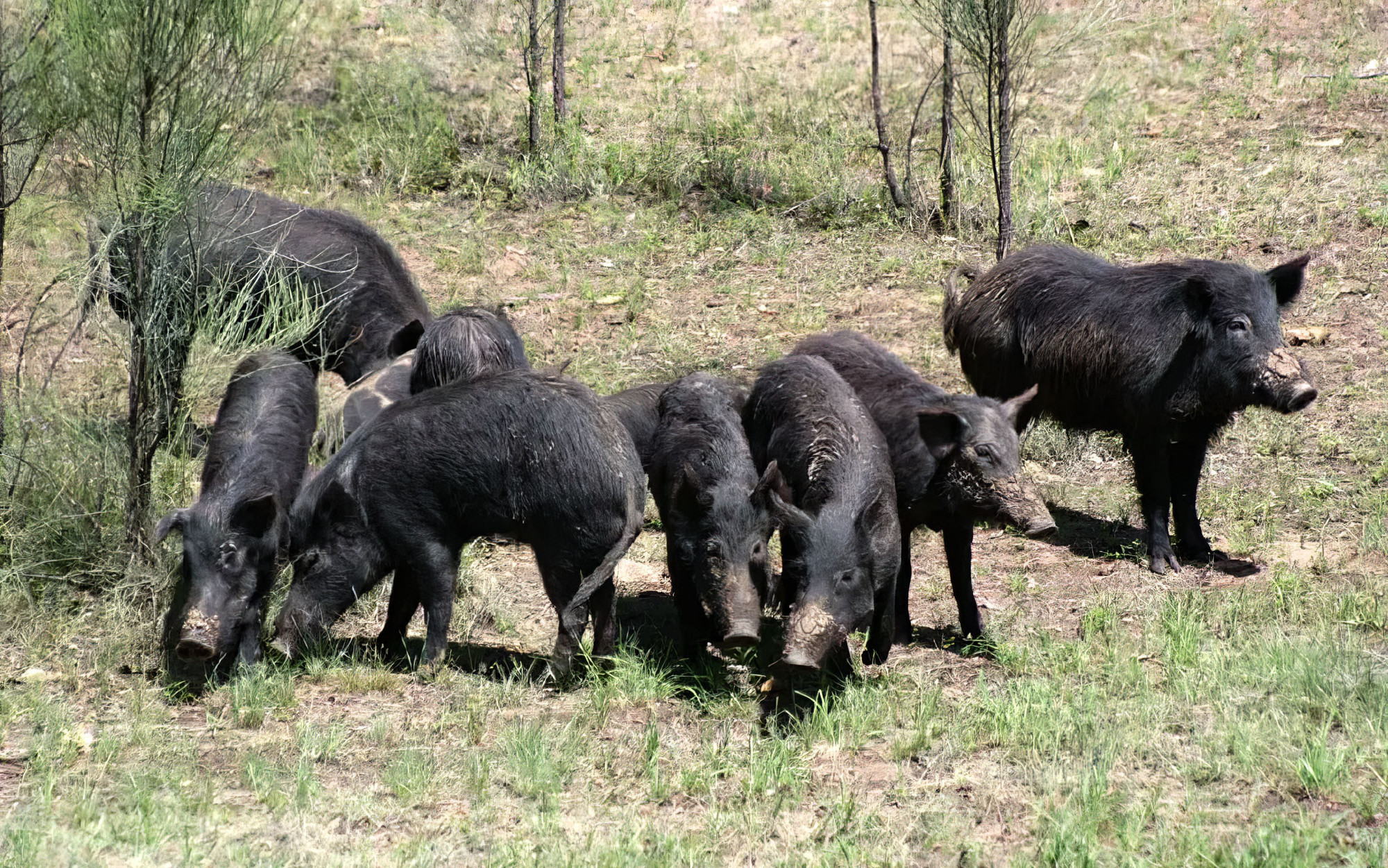
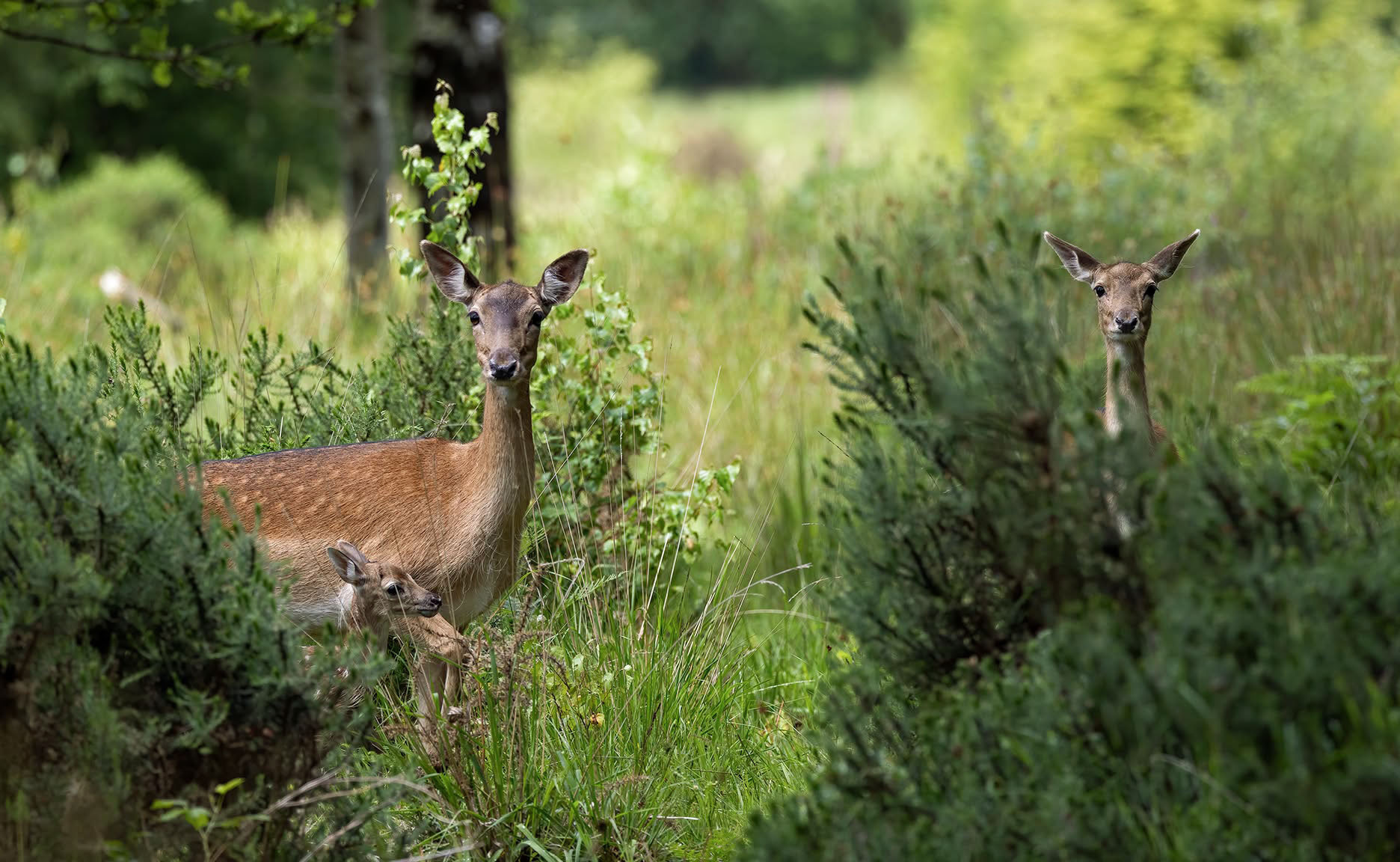
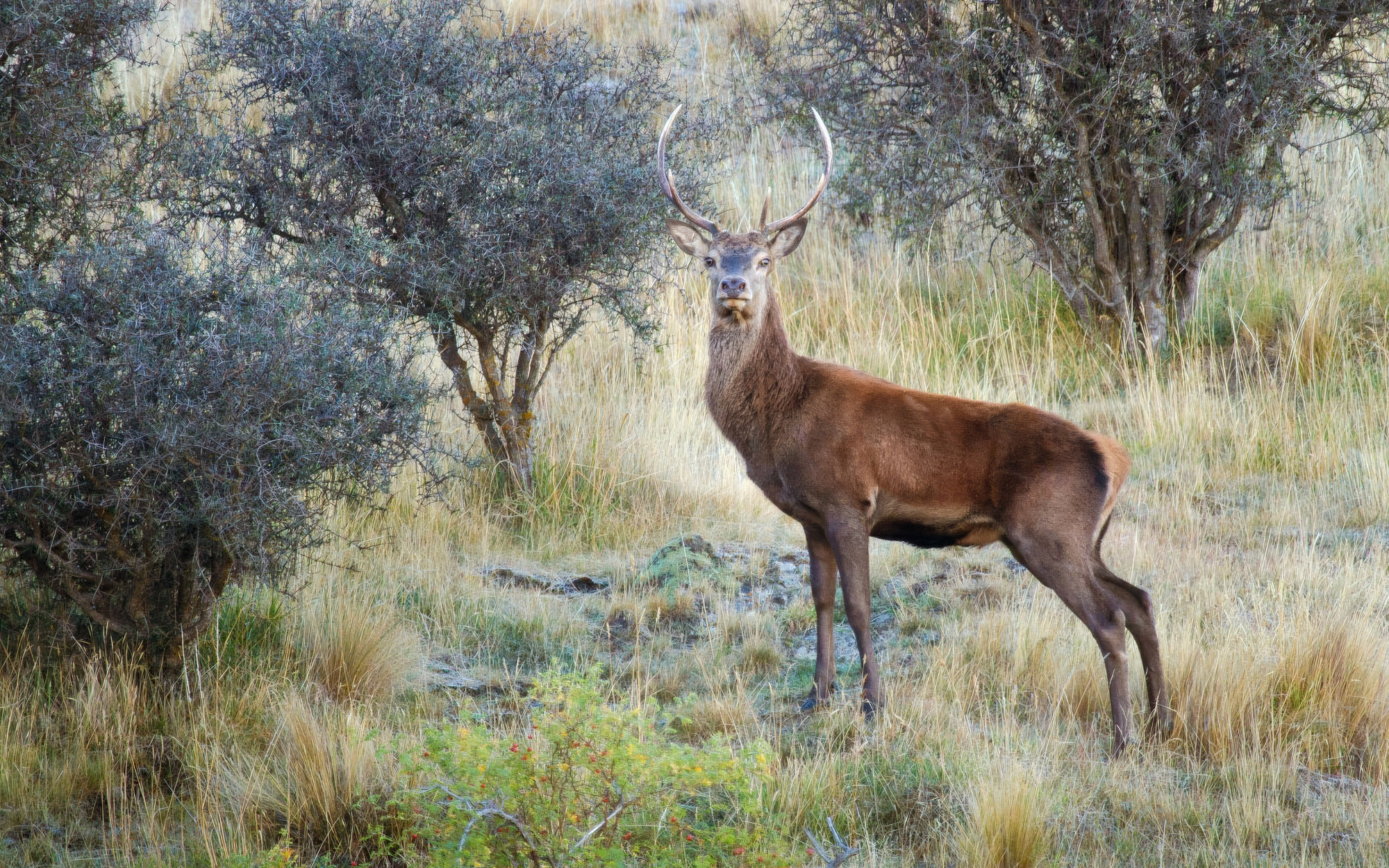
Introduced browsing mammals—including deer, goats and pigs—affect native ecosystems in very different ways from predators, but their impacts can be equally significant. By feeding on seedlings, shrubs and palatable native plants, they alter forest structure, reduce regeneration and prevent many species from reaching maturity. Pigs also disturb soils through rooting, damage sensitive habitats and can directly prey on ground-nesting birds.
These impacts are particularly important at Hikaroroa, where many areas of native forest are naturally slow-growing and support rare dry forest and alpine boulderfield communities. Without effective browser control, the next generation of canopy trees and understory vegetation may never establish, gradually reducing the diversity and resilience of the forest.
Unlike many introduced mammals, deer and pigs also hold significant cultural, recreational and practical value for many people. For generations they have provided opportunities to spend time outdoors, connect with the landscape, share knowledge across generations, and put wild harvested kai on the table. These are values that deserve recognition and celebration.
At Hikaroroa, we don't see conservation and hunting as opposing interests. We know that both are rooted in a shared appreciation for healthy landscapes and a desire to care for the places that sustain us. The challenge is not whether ungulates should exist, but understanding the browsing pressure that native ecosystems can sustain while still allowing forests and biodiversity to thrive.
Our approach is therefore guided by monitoring rather than assumptions. By measuring forest regeneration and ungulate activity over time, we aim to better understand what population densities are compatible with healthy ecosystems. This evidence allows us to work alongside landowners, hunters and the wider community to achieve a balance where native forests can regenerate without advocating for eradication.
Ultimately, successful conservation is not about excluding people from the landscape. It is about bringing people together around a shared vision of stewardship—one where healthy forests, thriving biodiversity and sustainable harvest can all be part of the future of Hikaroroa.
Camera surveys allow us to understand the abundance of browsing animals, while community, landowner, and professional hunting aid in keeping numbers at levels where everything can thrive. As the project develops, these programmes will continue to adapt based on monitoring results and what we learn about changes in regeneration.
Management Summary
- Method: landowners and community hunters, contemporary mahika kai practitioners, and professional hunters all play a role in ungulate management in our project area. Pig traps, exclusion fencing, trained dogs, and thermal opitics are tools in the community's kete.
- Frequency: Camera monitoring undertaken annually, with hunting carried out throughout the year as required
- Suppression Goal: Reduce browsing pressure to levels where palatable species have net recruitment, sensitive habitats are protected from ongoing damage, and canopy species are regenerating at a sustainable replacement rate.