Conservation in our Local Community

Hikaroroa Mt. Watkin: Connecting People to the Environment

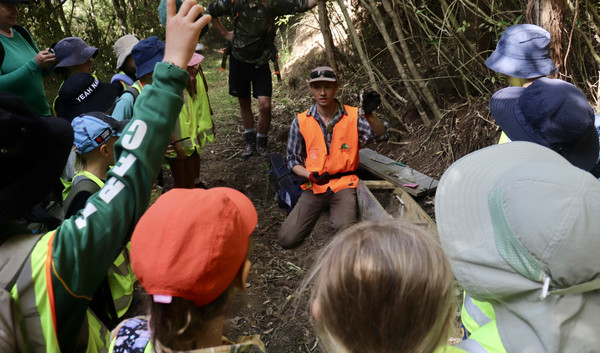
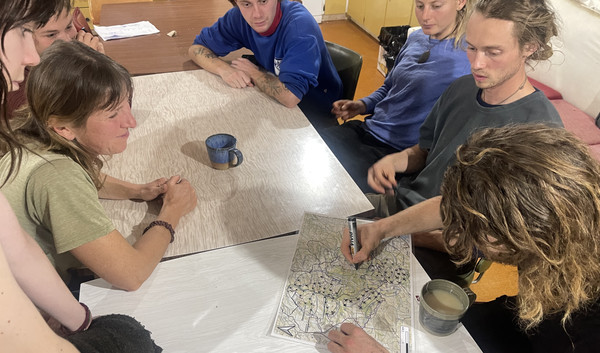
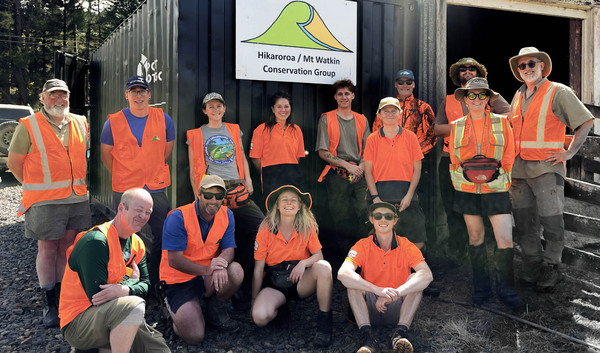
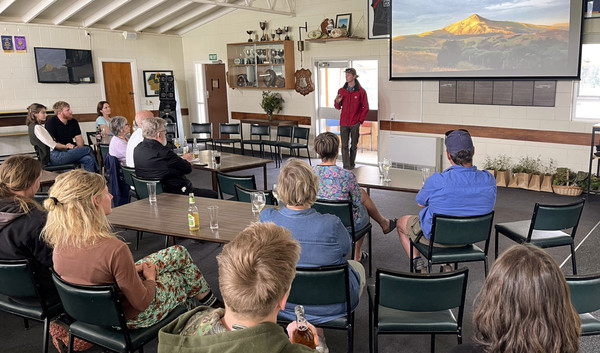
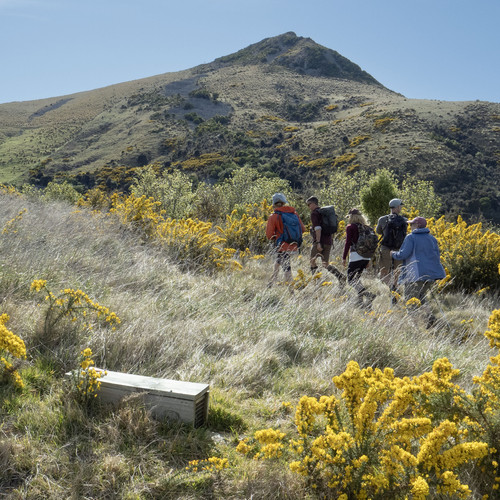
Protecting and enhancing the tāonga (treasure) of Hikaroroa / Mt Watkin is a group effort. We work and learn together, developing our community while protecting the landscape and its flora and fauna.

Learn about the conservation work we do as you explore our website. We focus on predator control and biodiversity monitoring, building and serving the community through volunteer efforts, and environmental education and training. Learn how you can get involved and support our efforts here in Coastal Otago.

Volunteer Hours Logged

3,212

Active traps

494

Active traps
Rats removed

2785

Rats removed
Mustelids removed

243

Mustelids removed
Possums removed

1543

Possums removed
Hedgehogs removed

1376

Hedgehogs removed
Others removed

5712

Others removed

Keep in touch

Want to keep up to date with the latest from us?
Sign up for our newsletter.

Instagram | @hmwconservationgroup

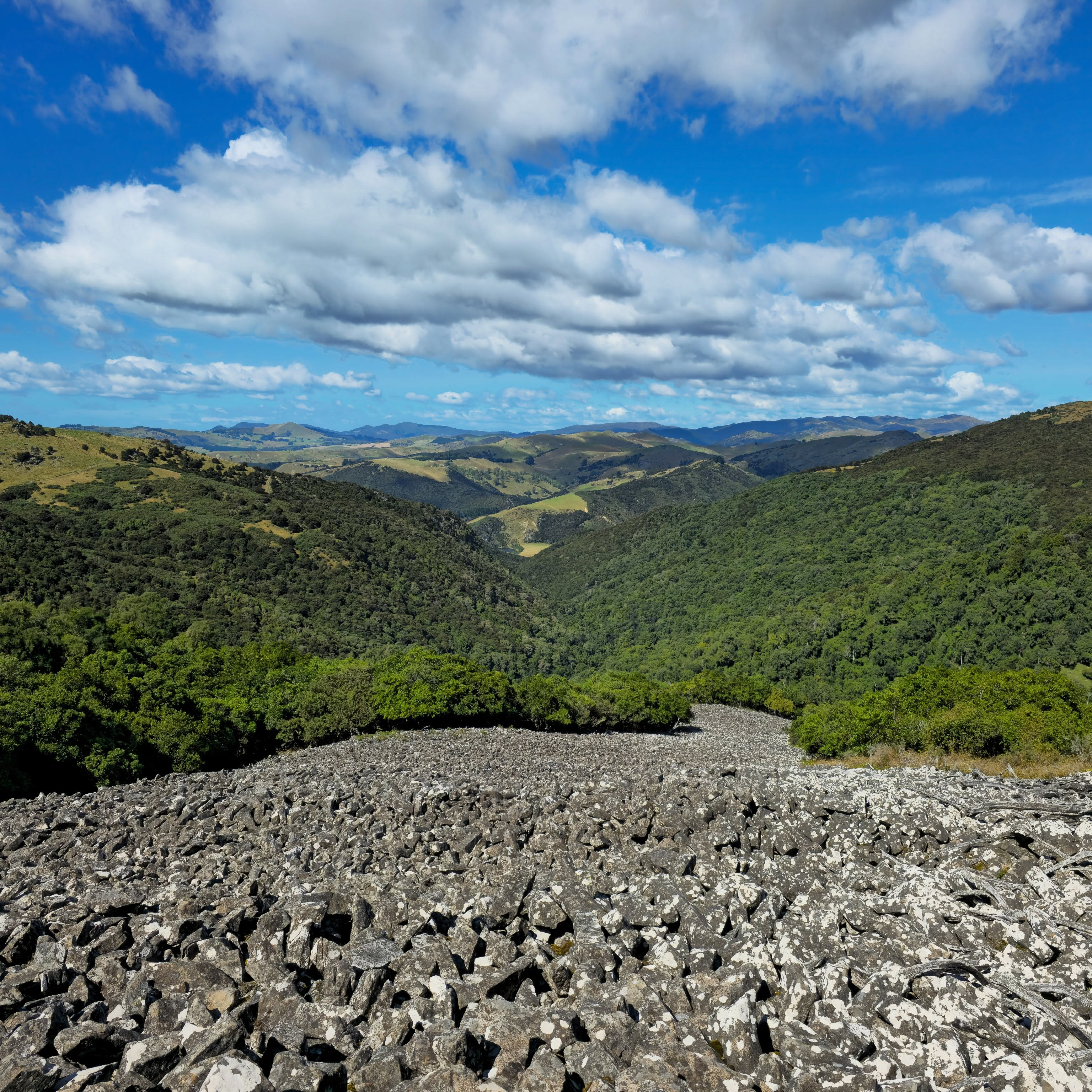
Hikaroroa is home to a variety of special landscapes of remarkable natural character. 🪨 The volcanic boulder fields that cascade down the sides of Hikaroroa/Mt Watkin have been identified as a rare ecosystem of national priority for protection. 💧The North Branch of the Waikouaiti River is an important natural waterway that winds through the landscape, supporting ecological connections and contributing to the areas unique character. 🌳Native Forest - A large area of indigenous habitat that contains some of the most significant remaining native forest in Coastal Otago.
View More
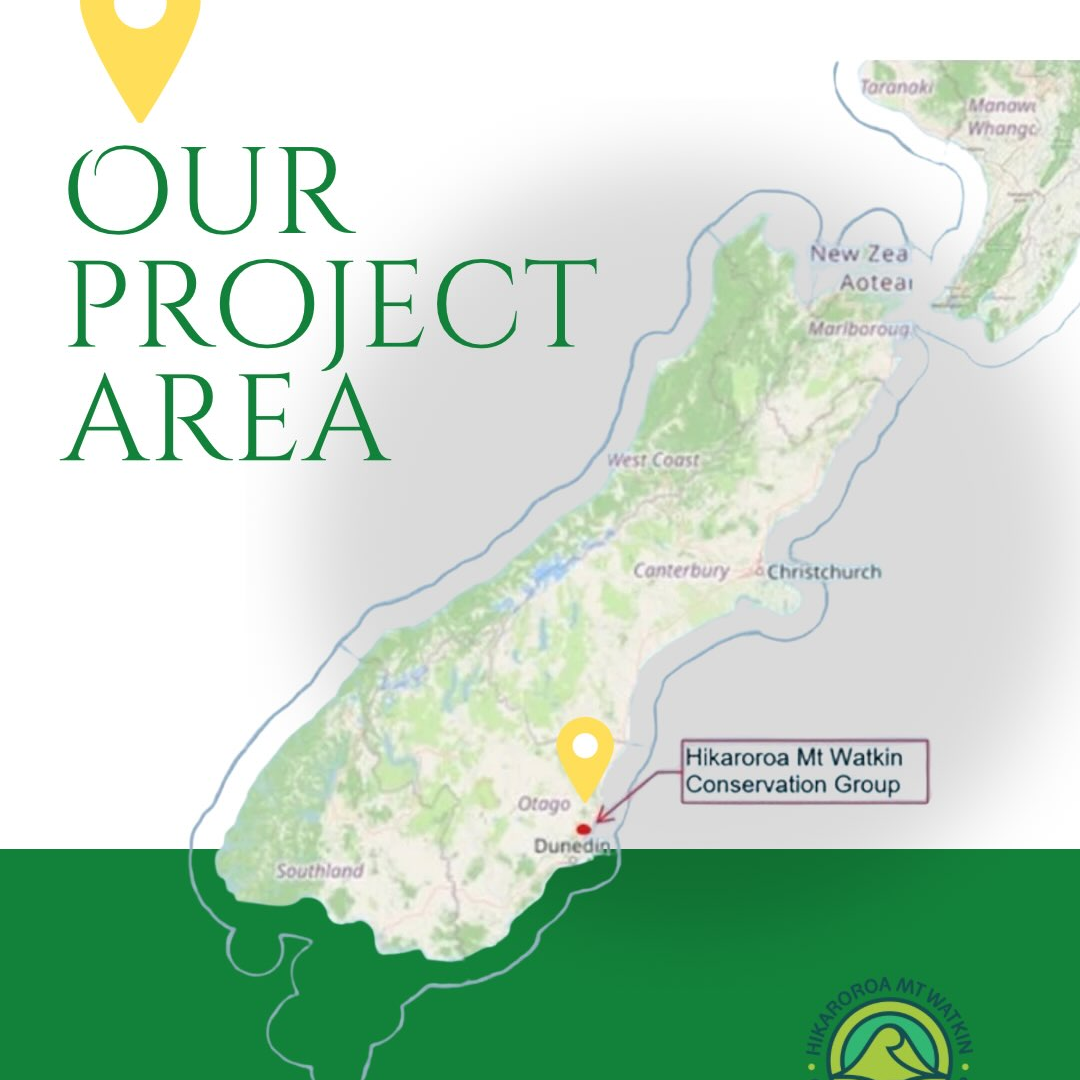
The HMWCG works across more than 6000 hectares of interconnected private and public land in East Otago, reflecting the scale of the groups landscape wide conservation efforts. At the heart of the project lies the Mt Watkin/ Hikaroroa Scenic Reserve, surrounded by six farming landowner partners whose properties collectively form the wider conservation project area. Check out our website for more information or to get involved. https://hmwcg.nz/
View More
🌿 Our new website is live! Everything you need to know about the Hikaroroa / Mt Watkin Conservation Project is now all in one place. Discover more about our project and the area we’re working to protect, learn about our conservation efforts, get involved, register for upcoming events, or make a donation to support the work happening on the ground. We’d love you to have a look around 💚 🌐 https://hmwcg.nz Protecting nature, people and place for future generations.
View More
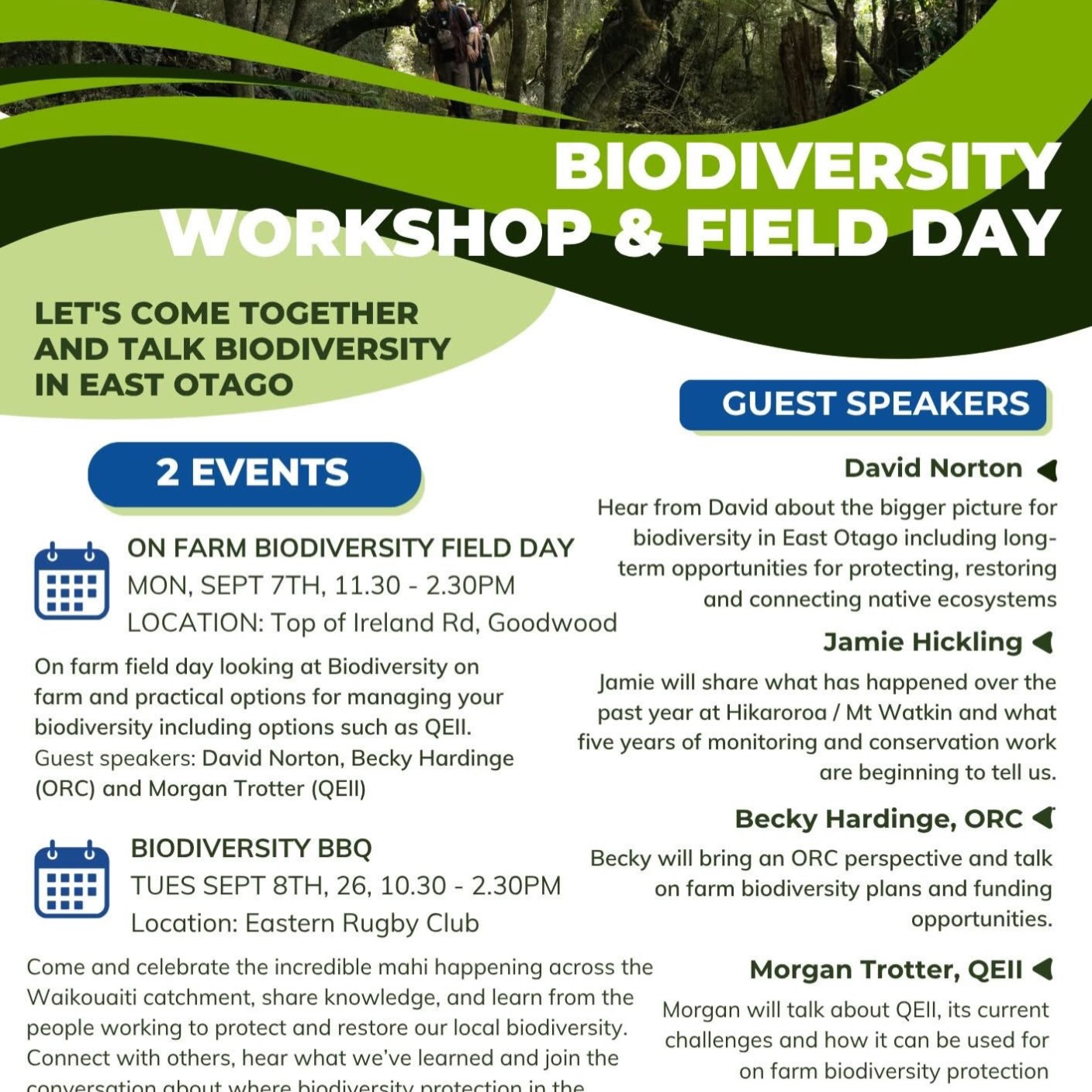
Some great biodiversity events happening this week on Monday and Tuesday. We hope to see you there!
View More
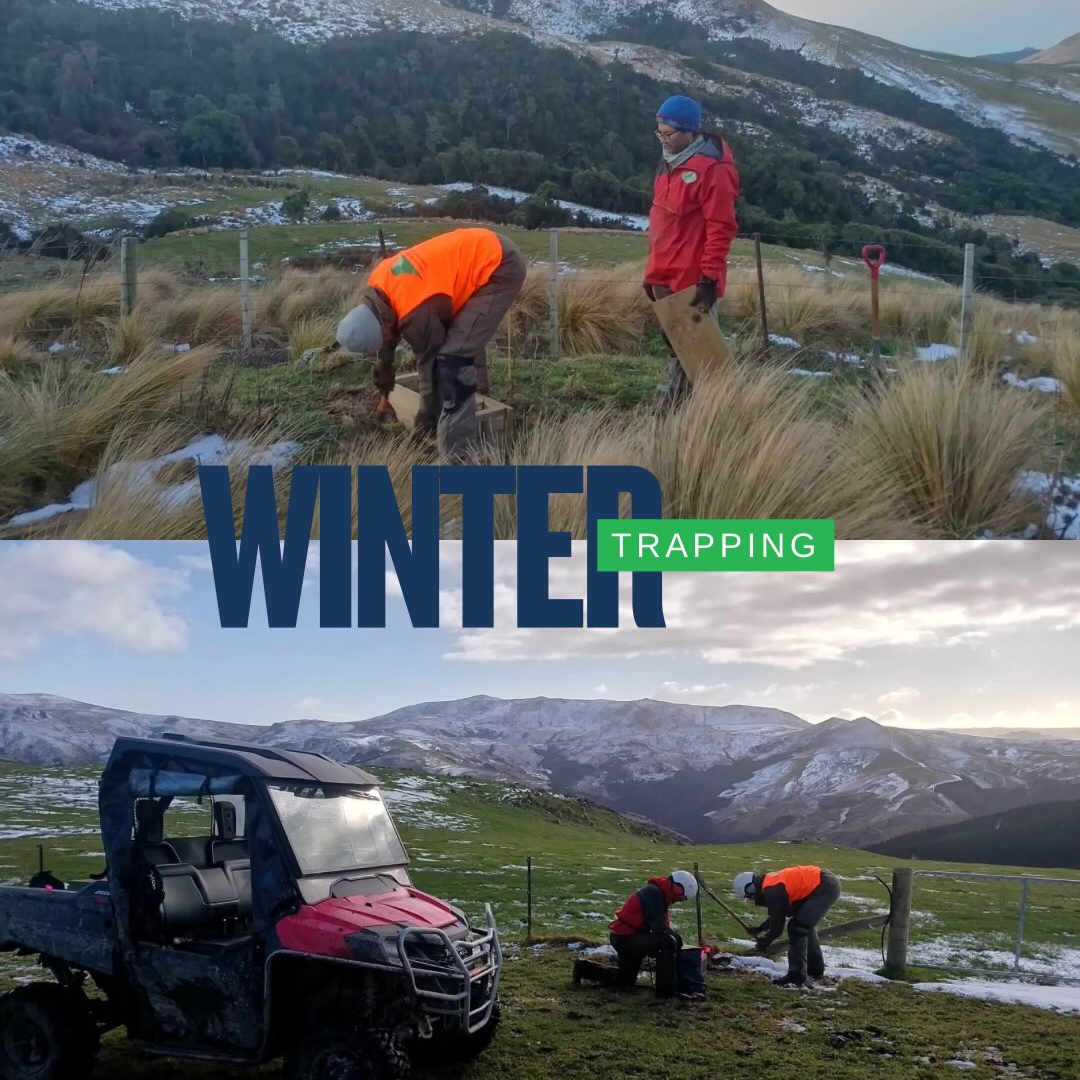
❄️ Snow on the ground doesn’t slow this crew down! Jamie’s out with our interns Camilo and Bene, relocating traps and making tracks through the winter conditions. A pretty great introduction to field work at Hikaroroa for Bene, who’s joined us all the way from Austria 🇦🇹 — although thankfully, he’s no stranger to a bit of snow! Cold hands, snowy boots and a good day out on the hill doing the mahi. 🌿❄️
View More
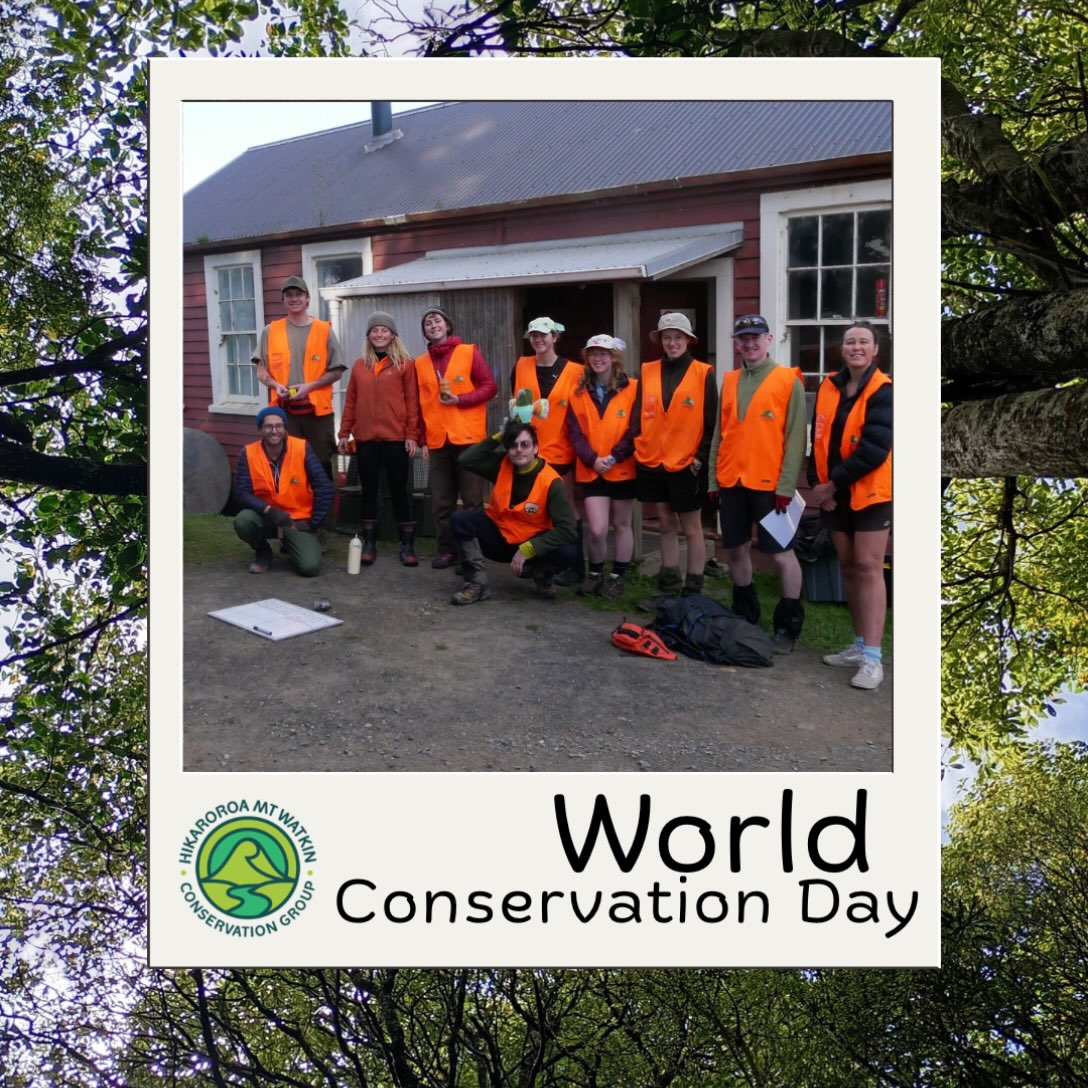
🌿 World Conservation Day 🌿 Today we celebrate the people who roll up their sleeves and make a difference. Every trap checked, every predator removed, every native seedling protected is a step towards a healthier future for Hikaroroa Mt Watkin. Conservation isn’t just about protecting nature—it’s about leaving a legacy for generations to come. A huge thank you to every volunteer, supporter, landowner, and partner who gives their time, energy, and passion to this special place. Together, we’re proving that small actions, repeated often, create lasting change. Happy World Conservation Day. Here’s to protecting what matters most. 💚🌿
View More
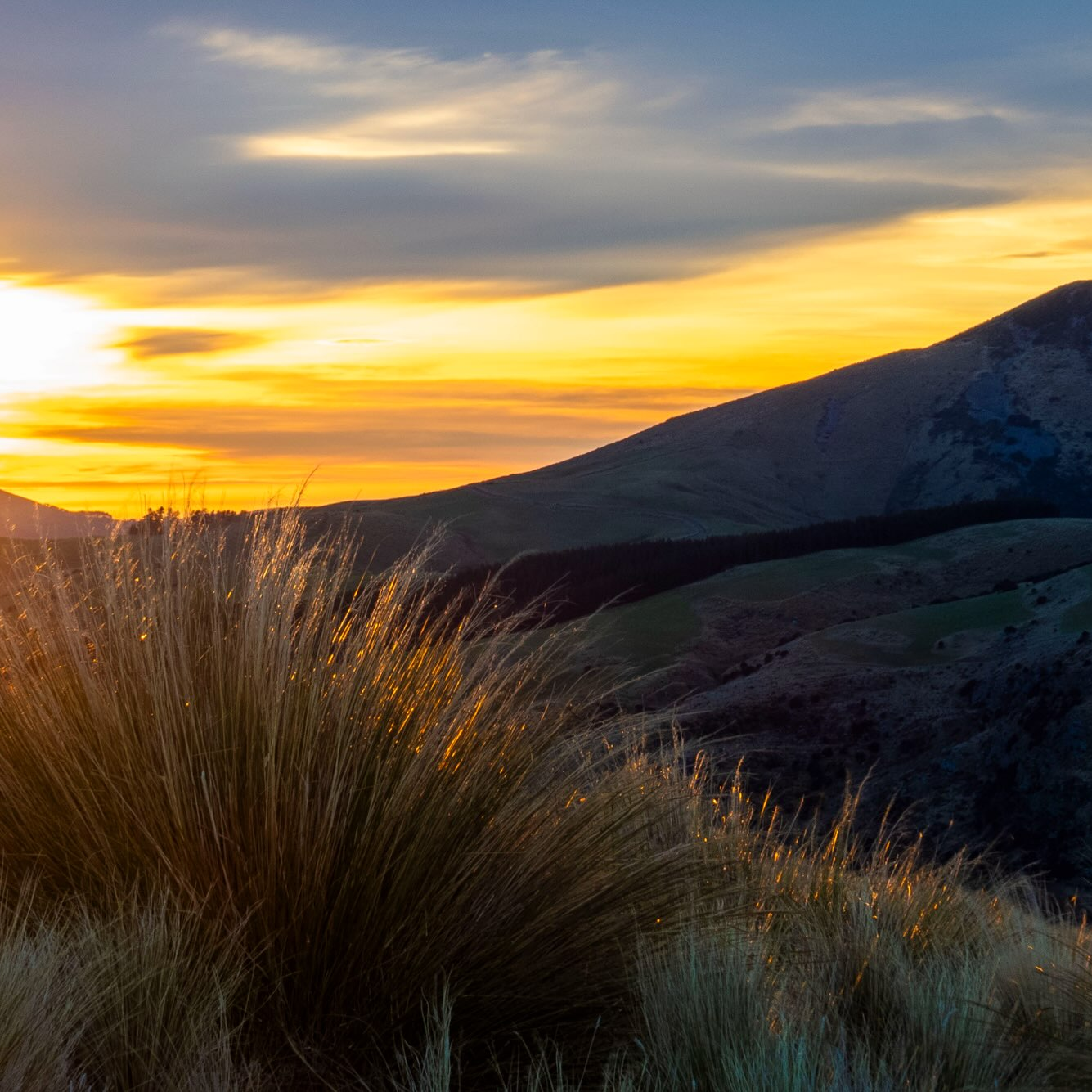
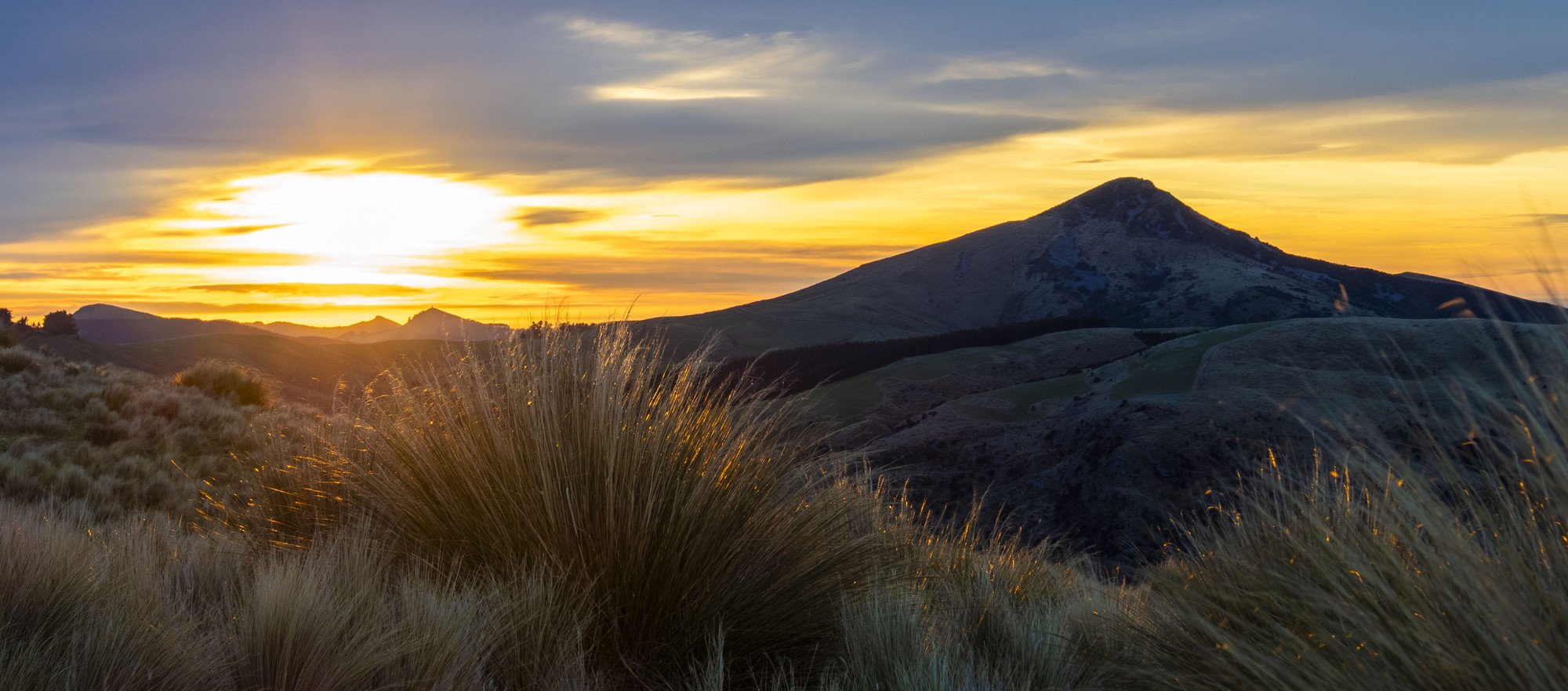
Winter at Hikaroroa never disappoints ❄️✨ We’re incredibly lucky to have Graham and Diane as part of HMWCG. Not only does Diane contribute many hours behind the scenes with administration, but Graham also captures the beauty of our landscape through stunning photography. These images were capture last weekend whilst out retrieving bait feeders. These winter scenes are just a small glimpse of the incredible environment we’re all working together to protect. Thank you, Graham and Diane, for everything you do - both behind the camera and behind the scenes. 💚
View More
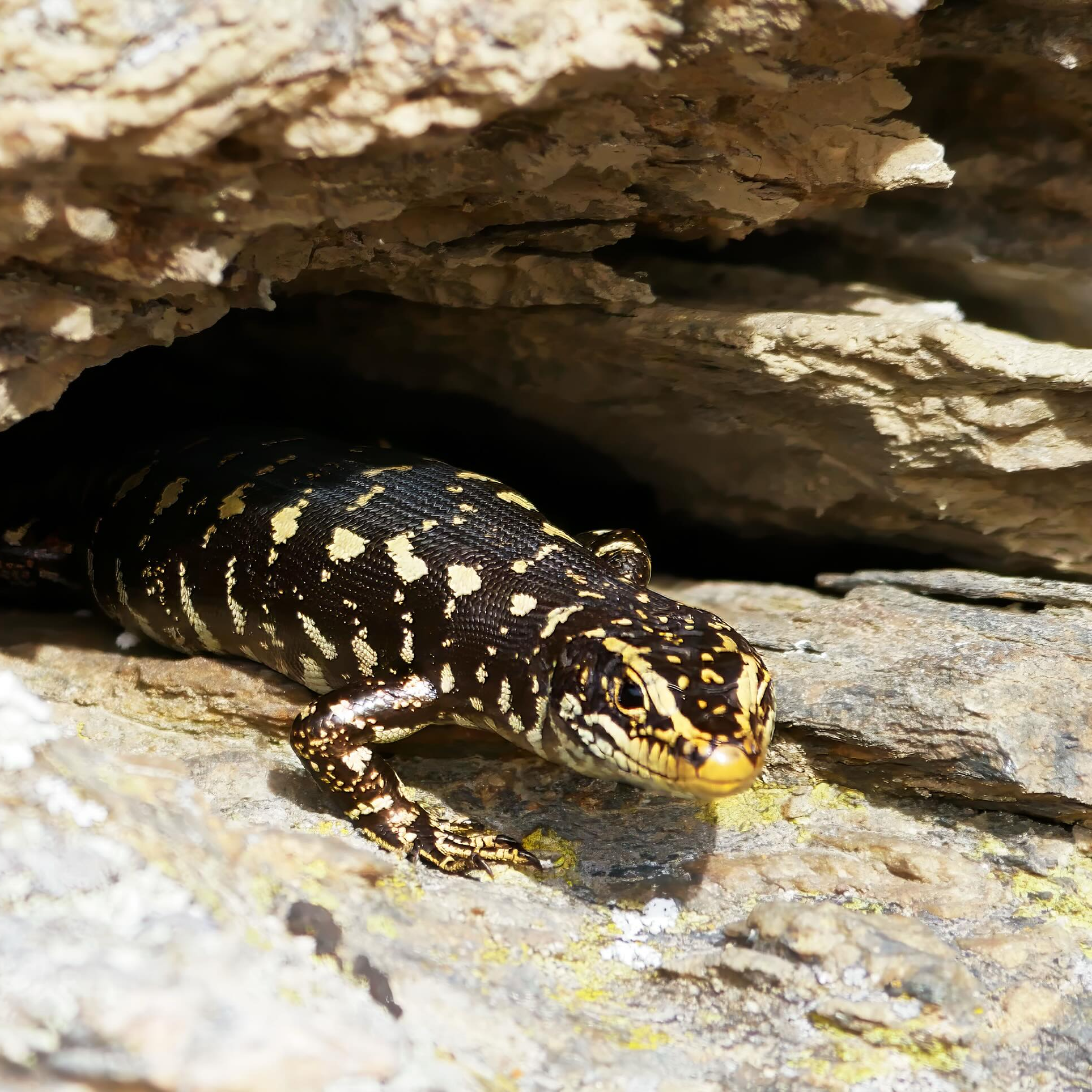
It’s time to talk about lizards and cats. We have some exciting and sobering news.. Recent field observations have confirmed two native lizard in the landscape, including Tussock Skinks (Oligosoma chionochloescens — At Risk: Declining) and Kōrero geckos (Woodworthia “Otago-large” — At Risk: Declining) It’s incredible to know these species are still hanging on alongside the more abundant McCann’s skinks in our landscape — but unfortunately we came to this discovery in a confronting way. We dissected a freshly trapped feral cat and found its stomach contained 14 native skinks swallowed whole: a mixture of McCann’s skinks and Tussock skinks. That was from just one cat, after what was likely a single day of feeding. When you begin to scale that across the wider landscape, the impact on native lizard populations becomes hard to ignore. Recently, Camillo (HMWCG Intern), Jamie (Project Coordinator), and David (HMWCG President) travelled to Middlemarch to meet a landowner who has spent more than 20 years trapping feral cats, stoats, and ferrets on his property. His long-term predator control work has helped a tiny remnant population of Otago skinks recover into a thriving colony. Hearing his experiences and lessons from over two decades of trapping gave us much to consider as we refine our own feral cat control approach for our 6000 hectare patch. Since predator camera monitoring began in the project area, feral cats have consistently had the highest detection rates of any predator species we monitor. Because the landscape is remote, this is a fully feral cat population. Feral cats have now also been formally added to the Predator Free 2050 target species list. Over winter we are trialling a range of different control tools and techniques, including: • SX220 trap sets with lure pumps • alternating salmon mayonnaise lures in AT220s • camera-monitored cage trapping • thermal and night-vision optics • co-located Timms traps at known scavenging sites
View More