
Education & Training at Hikaroroa
Building the skills to care for our landscapes
Education is an important part of the Hikaroroa / Mt. Watkin Conservation Project.
We believe that landscapes and communities thrive when people develop a deeper relationship with the places they live — understanding how those ecosystems work, recognising the pressures they face, and having the knowledge and practical skills to care for them.
Many of East Otago's remaining native habitats are small, fragmented remnants surrounded by highly modified landscapes. Simply leaving these places alone is not always enough to protect them. Introduced predators, browsing mammals, weeds and other pressures can accumulate over time, placing chronic strain on native ecosystems and gradually reducing their ability to regenerate and support the species that depend on them.
For this reason, active management is an important part of protecting our remaining native habitats. But active management requires people.
One of the long-term goals of the Hikaroroa project is therefore to help build a community with the knowledge, confidence and practical skills needed to participate meaningfully in ecological conservation. By helping people understand their local environment, learn how to monitor ecosystems, manage introduced pests and work safely in the field, we hope to strengthen our community's ability to care for Hikaroroa and other native habitats throughout East Otago.
Just as importantly, we want to help develop the next generation of people who will go on to work with and contribute to te taiao. Knowledge and skills developed at Hikaroroa can contribute far beyond the boundaries of the project — supporting Aotearoa's national capacity of skilled individuals.
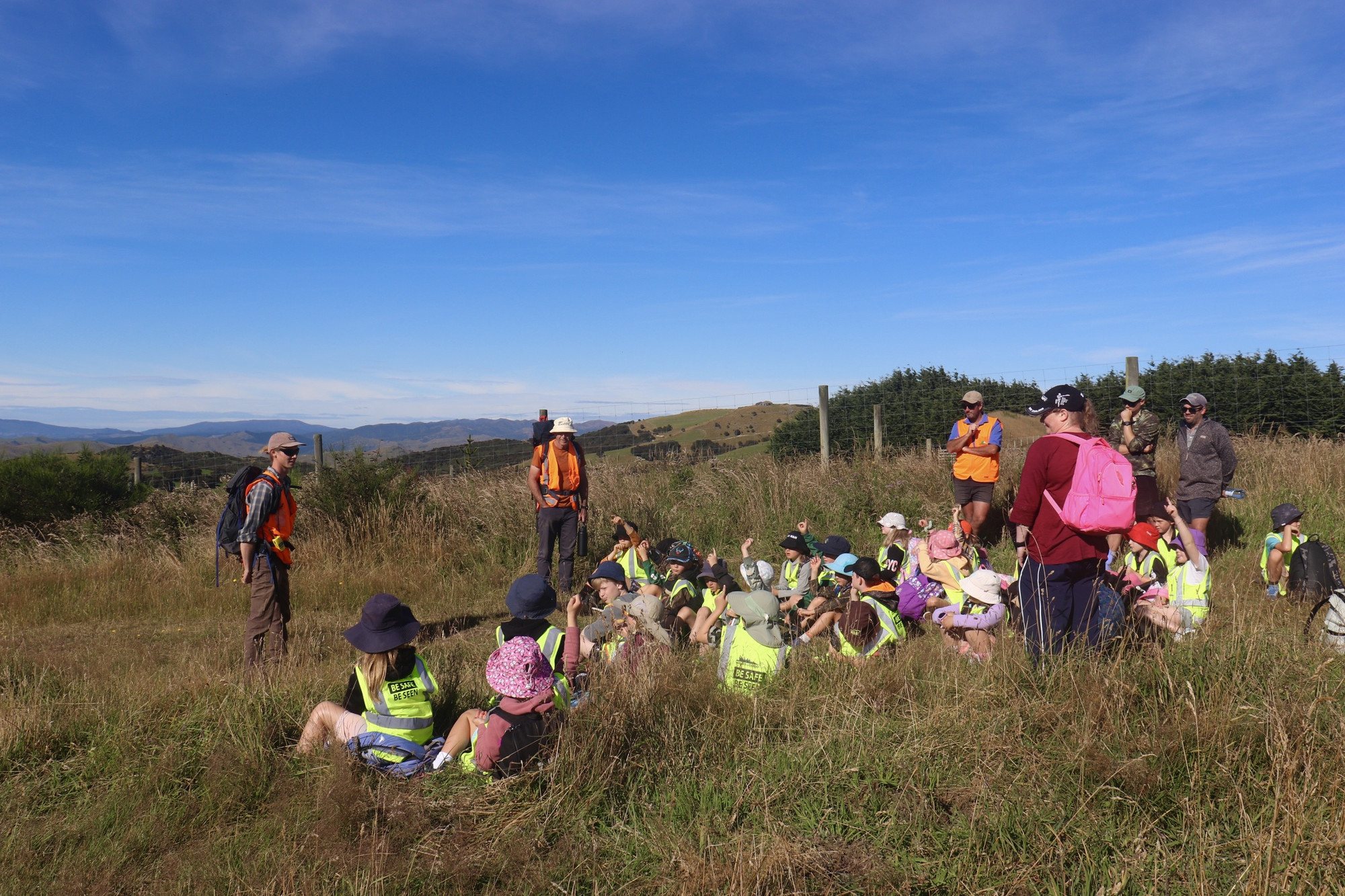
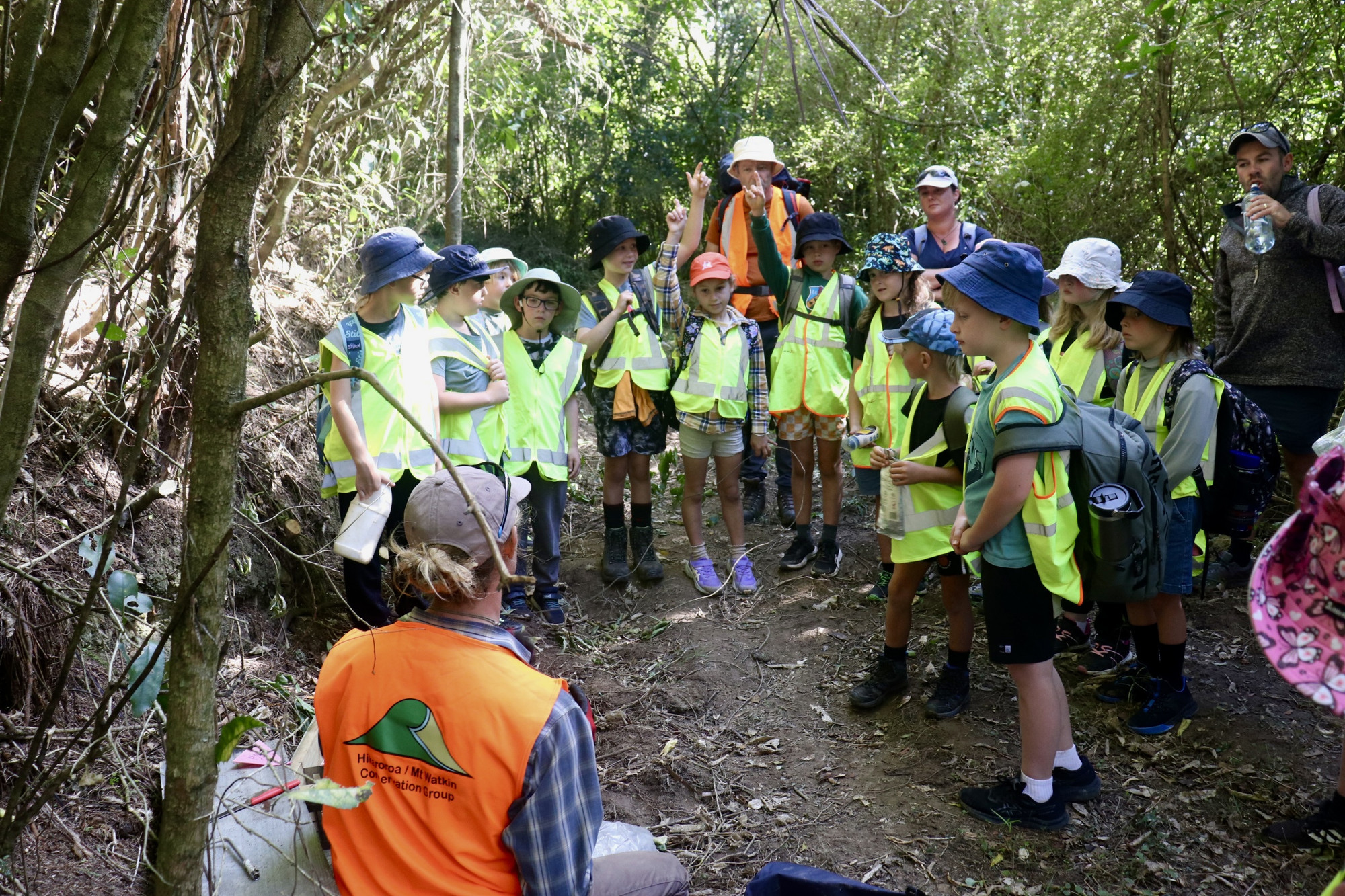
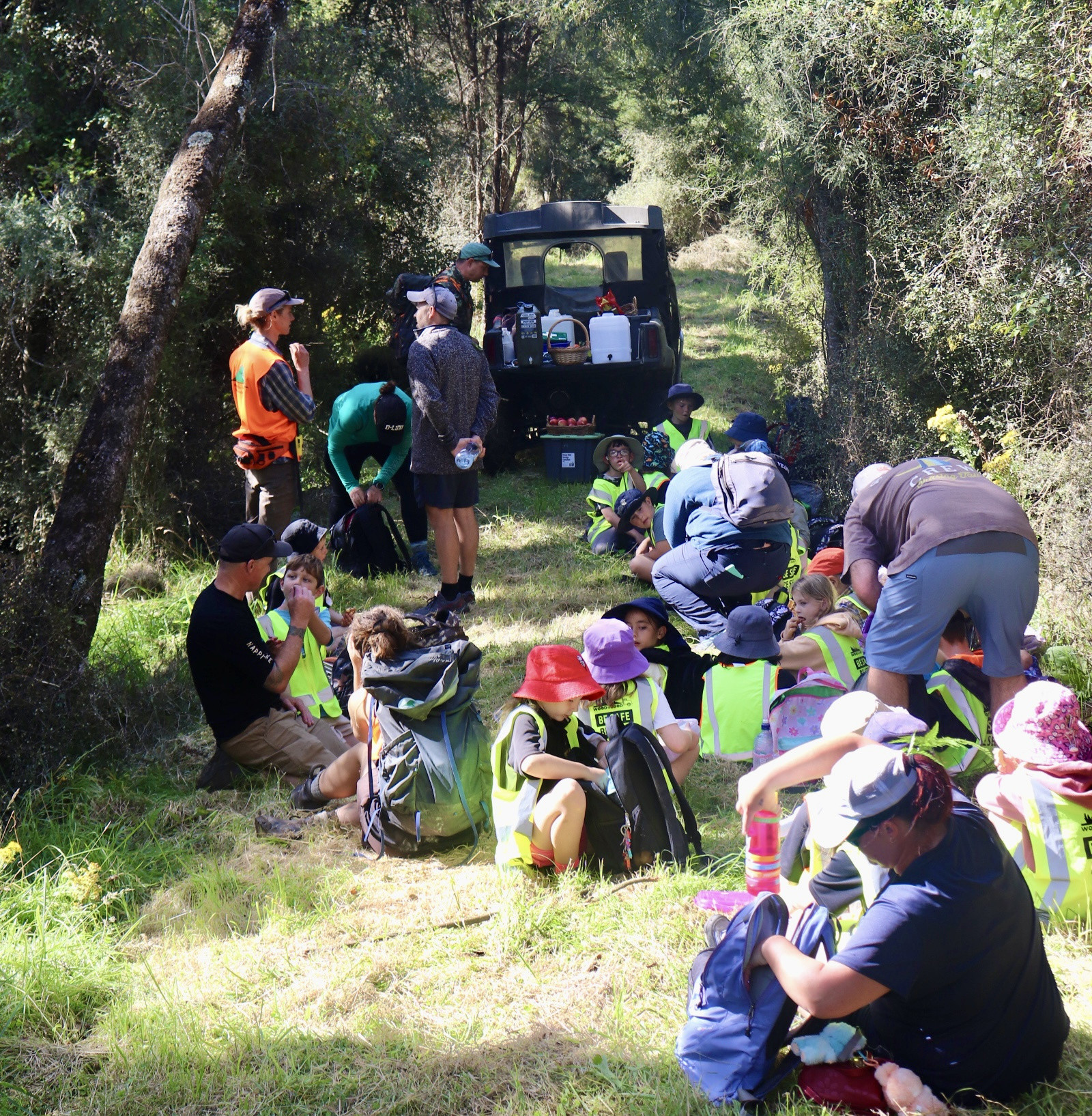
Outdoor Education for School Groups
Building a relationship with the natural world starts long before someone becomes a conservation volunteer or chooses an environmental career.
HMWCG works with Waikouaiti School to support school field trips to Hikaroroa, giving local young people opportunities to explore the mountain and begin learning about the ecology of the landscape on their doorstep.
We believe that simply getting young people outside — into native forest, listening to birdsong, learning the names of trees, turning over logs, noticing tracks and beginning to understand how a living ecosystem fits together — is an important part of outdoor education.
These experiences help make ecology tangible. Native species stop being something that exists only in books or classrooms and become part of a landscape that young people know, recognise and care about. School visits can introduce students to topics such as native forest ecology, birds and birdsong, pest animals, conservation management, biodiversity monitoring and the relationships between people and the environment.
As this programme develops, HMWCG would love to work with other local schools and education providers to create further outdoor education and conservation-learning opportunities at Hikaroroa. Get in touch about school group or other eductational opportunities you'd like to explore with us.
Our hope is that repeated experiences in nature help create a generation of young people who feel comfortable outdoors, can recognise the species that share their home, and understand that caring for their local environment is something in which they can actively participate.
Professional-Level Community Training
The Hikaroroa / Mt. Watkin Conservation Project works with the Landscape Conservation team at Mammalian Corrections Unit (MCU) to provide practical conservation training throughout the year.
Thanks to the support of our funding partners, these training opportunities are generally provided free of charge to project volunteers.
Training is designed around the same methods used in professional conservation operations, giving participants practical experience rather than simply introducing concepts in a classroom.
Depending on the activities taking place during the year, training opportunities can include:
Conservation field skills, navigation, GPS use and field safety
Trap installation, servicing and maintenance
Mustelid, possum and feral-cat control techniques
Nationally standardised Pest animal monitoring methodologies
Biodiversity monitoring techniques
Forest regeneration and ungulate-impact monitoring
Field data collection, recording and management
Supporting community conservation operations and volunteer field teams
Where funding, trainers and suitable courses are available, there are also opportunities for volunteers to work towards ticketed or formally recognised qualifications relevant to conservation fieldwork such as first aid certifications.
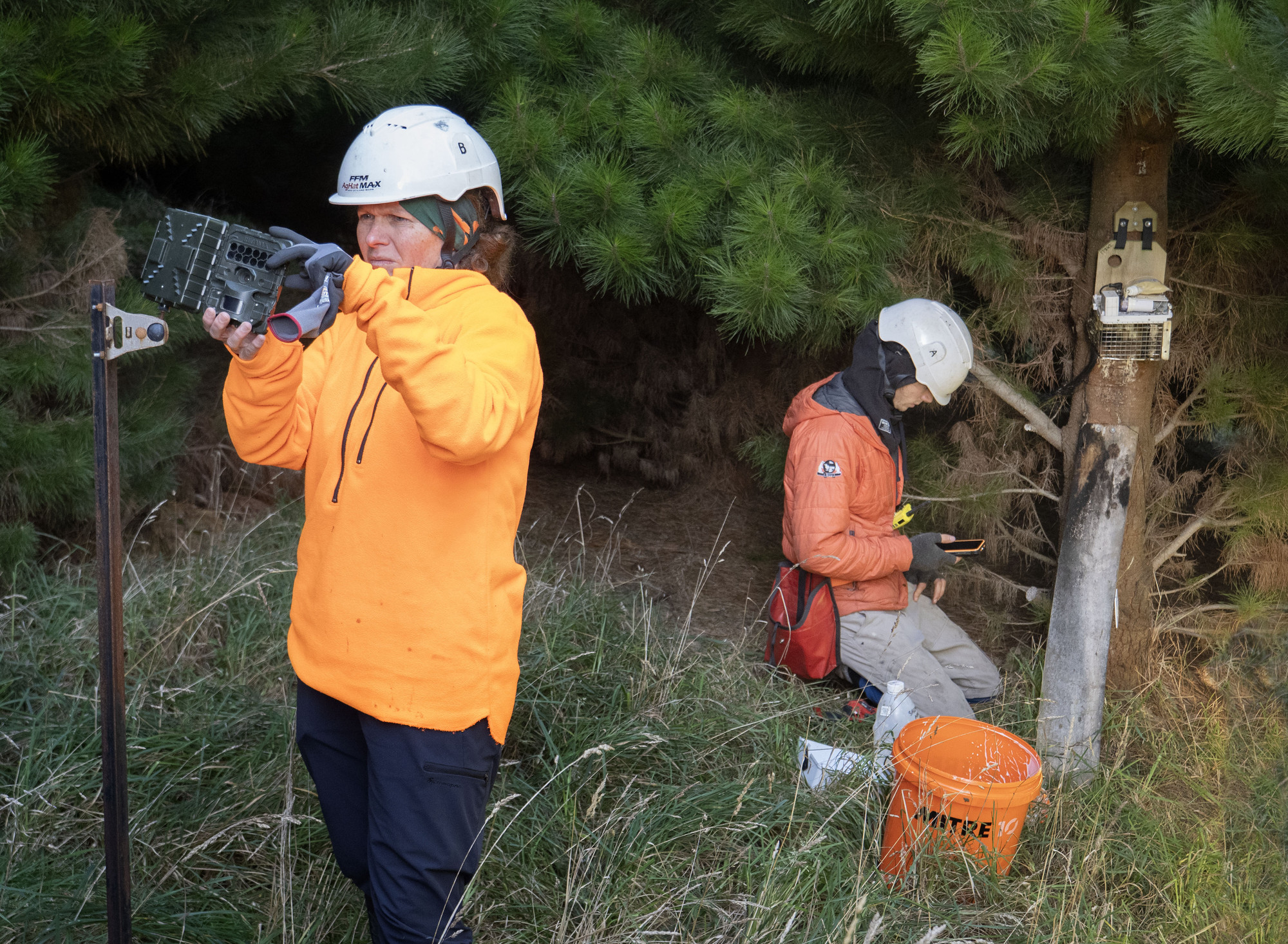
Learning Alongside Ecologists
Some ecological skills are difficult to learn through workshops.
For more advanced activities, project volunteers may have opportunities to work alongside experienced ecologists and other conservation professionals in the field.
These opportunities allow participants to observe how professional ecological work is undertaken, ask questions, practise field techniques and develop an understanding of the judgement that sits behind good ecological monitoring.
Activities may include bird monitoring, vegetation surveys, threatened-species work, and other specialist ecological investigations undertaken within the project.
As the project's monitoring programme grows, we hope to create more opportunities for interested volunteers to progress from helping with general field activities to developing specialist ecological skills.
Learn Through Volunteering
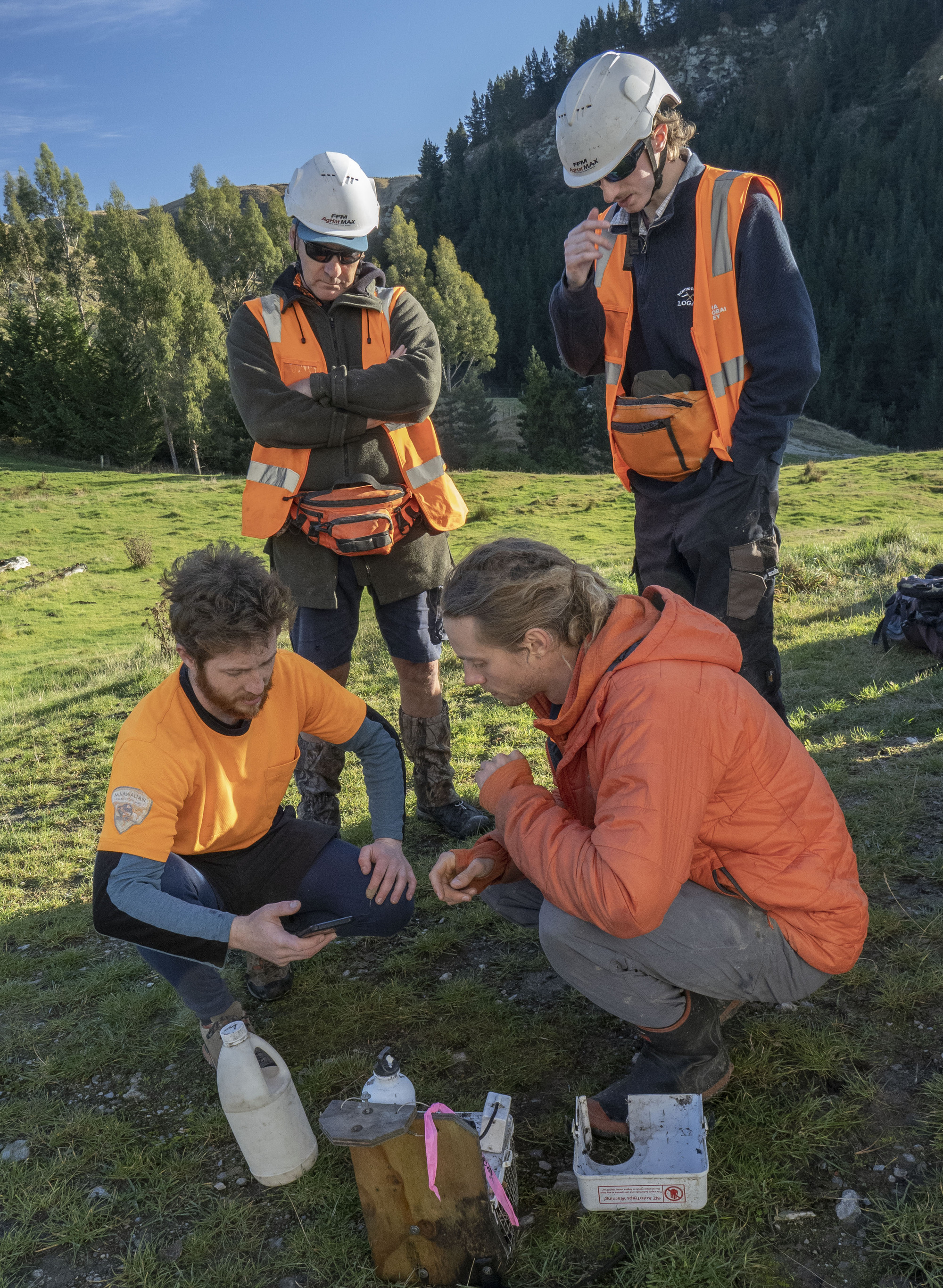
Training opportunities are available throughout the year and are open to Hikaroroa volunteers.
People can begin with little or no previous conservation experience and progressively build their skills by attending workshops, community field days and monitoring operations.
Someone might begin by learning how to safely service a DOC200 trap, then progress to navigating and completing a trap line independently.
The aim is to create a pathway where people can learn by doing, progressively taking on greater responsibility as their skills and confidence develop.
For volunteers interested in conservation employment, we can also help deliberately build a broader fieldwork skill set through participation in different project activities.

Hikaroroa Conservation Internships
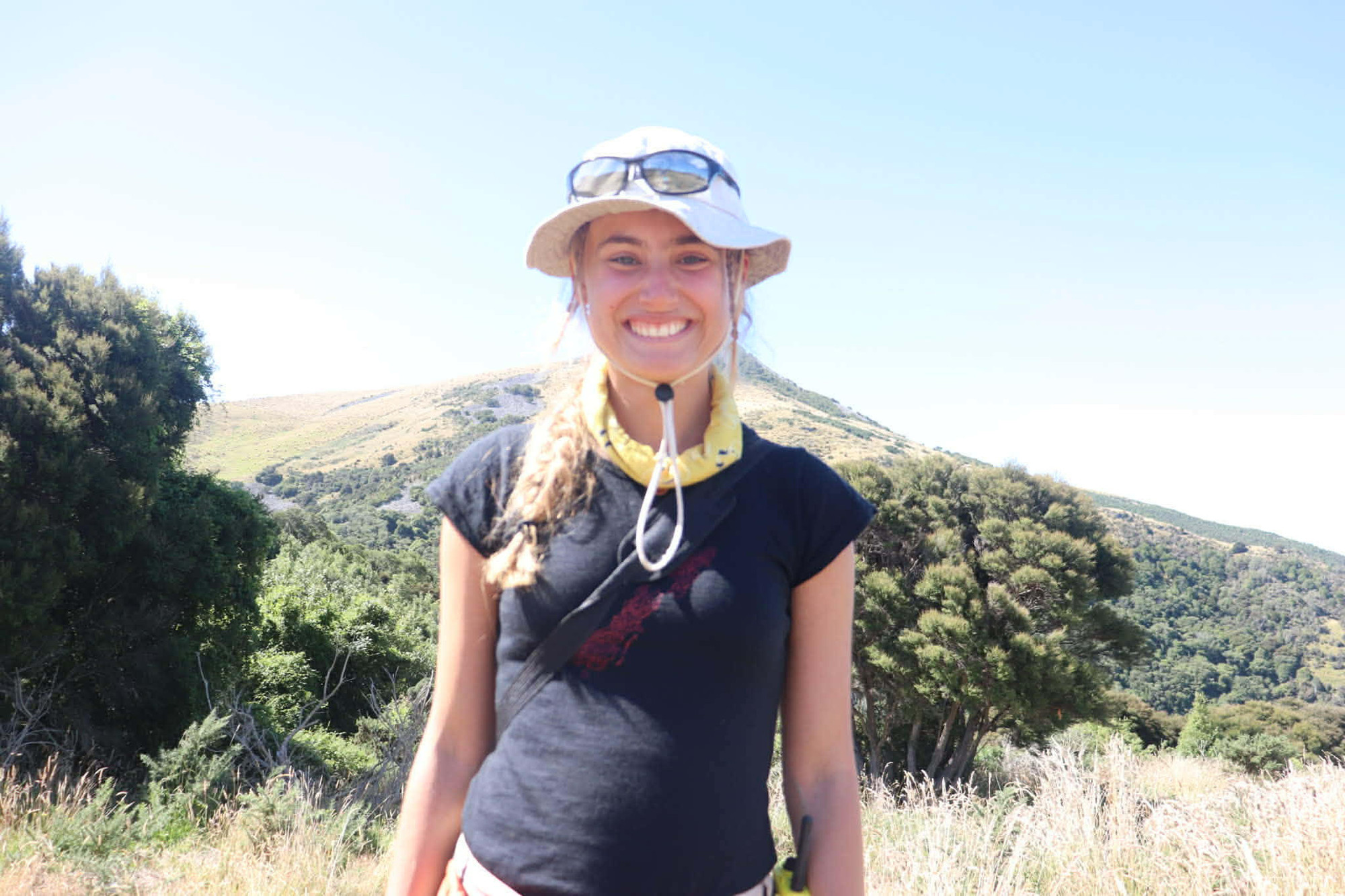
For people wanting a more intensive learning experience, the project hosts two conservation internships each year.
The internships are structured work-experience programmes designed to fast-track practical conservation learning through sustained involvement in the project.
Rather than participating in occasional individual activities, interns become part of the field team and gain experience across the range of operations taking place during their placement.
Depending on the season, this can include pest monitoring, trapping, biodiversity surveys, forest regeneration monitoring, equipment maintenance, data management, ecological fieldwork and supporting community conservation events.
Interns progressively work through the major operation types undertaken by the project. Training begins with supervised instruction and practical experience, with participants progressing toward greater independence as competency is demonstrated.
The programme is intended to provide something that can be difficult to gain when entering the conservation sector: substantial practical field experience across multiple areas of conservation management within a functioning landscape-scale project. It is most suitable for those seeking practical experience while engaged in tertiary education, or those seeking to gain employment skills as they prepare to enter the workforce. Contact us for more information about internship opportunities.
Turning Experience Into Employment Skills
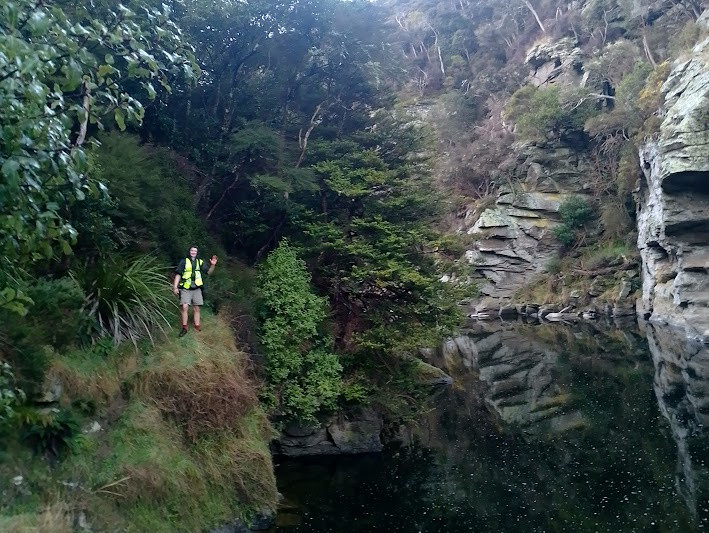
Whether someone develops their skills through regular volunteering or through the internship programme, we want the experience gained at Hikaroroa to be useful beyond the project itself.
Where volunteers have undertaken substantial training and demonstrated competency, the project can provide a formal letter of recommendation documenting the field skills and conservation activities in which they have been trained.
The letter provides prospective employers with a practical record of the experience an individual has gained and can be used when applying for conservation, ecology, pest-management and related environmental roles.
Our goal is not simply to train people to work at Hikaroroa. We want Hikaroroa to be a place where people build a relationship with te taiao, learn how to care for it, and carry that knowledge and those skills wherever they go next.