
Let's Talk about Lizards and Cats
(Warning: this post contains discussion of predation and images of deceased animals.)
We have some exciting — and sobering — news from the Hikaroroa / Mt. Watkin project area.
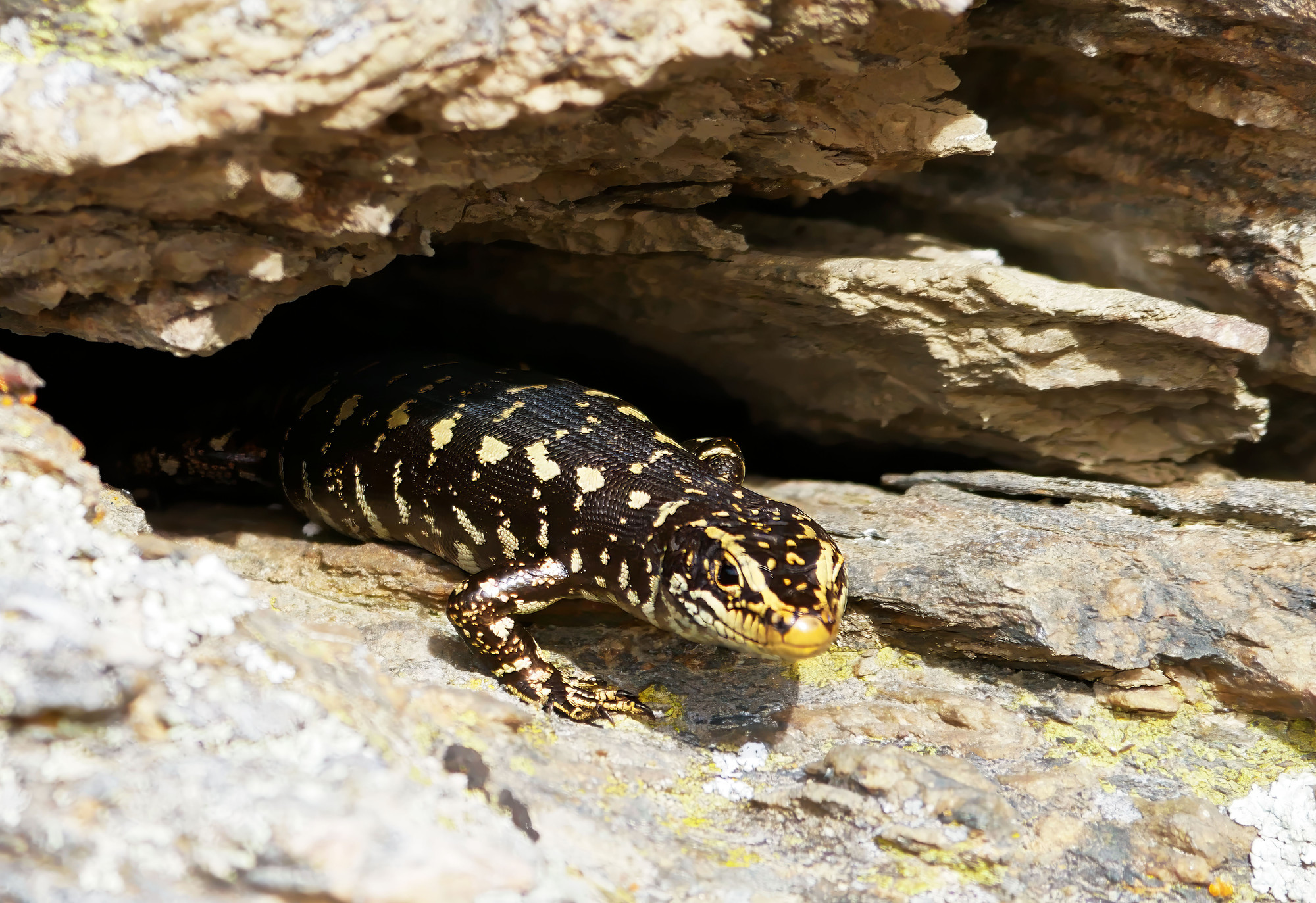
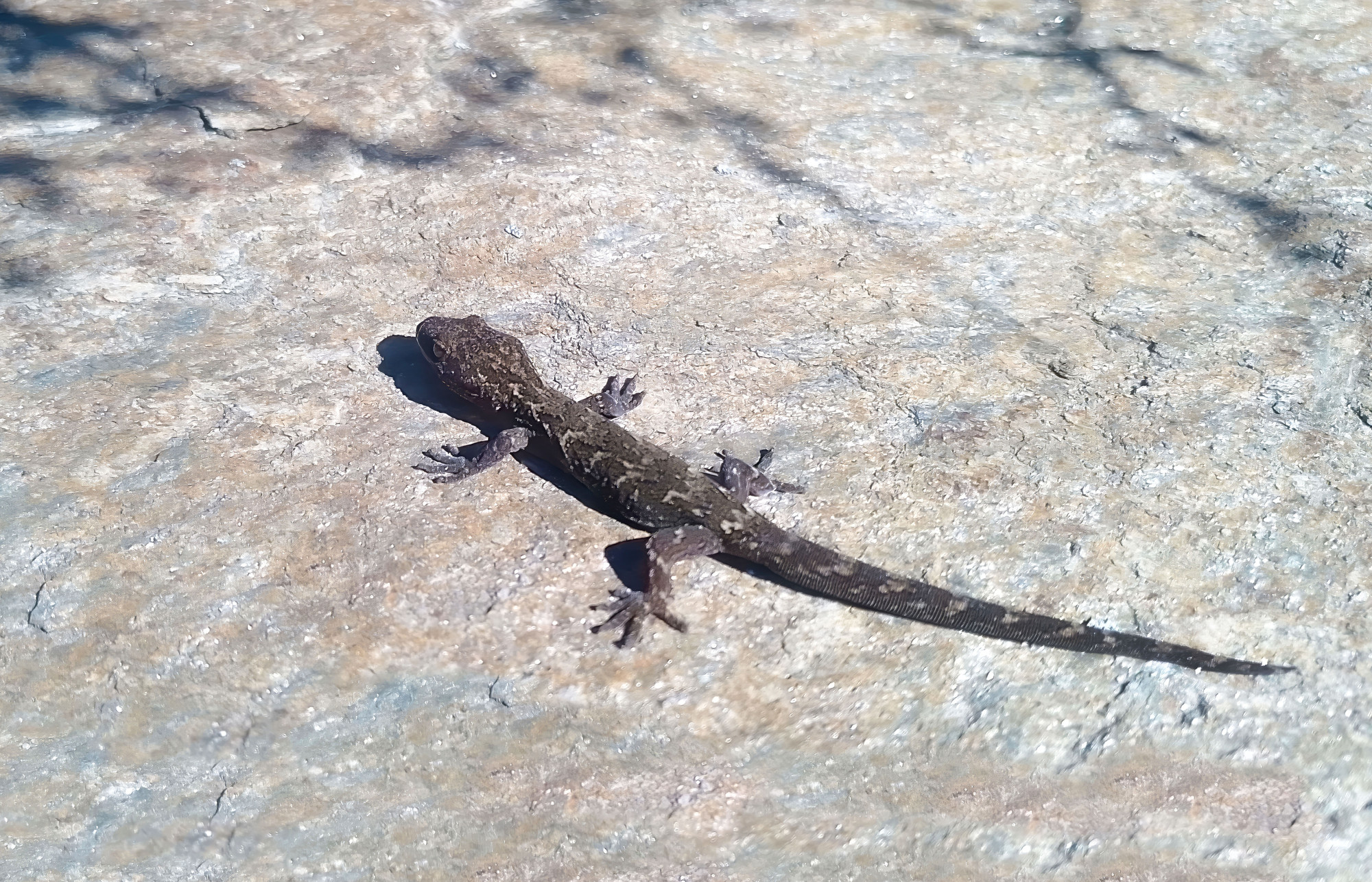
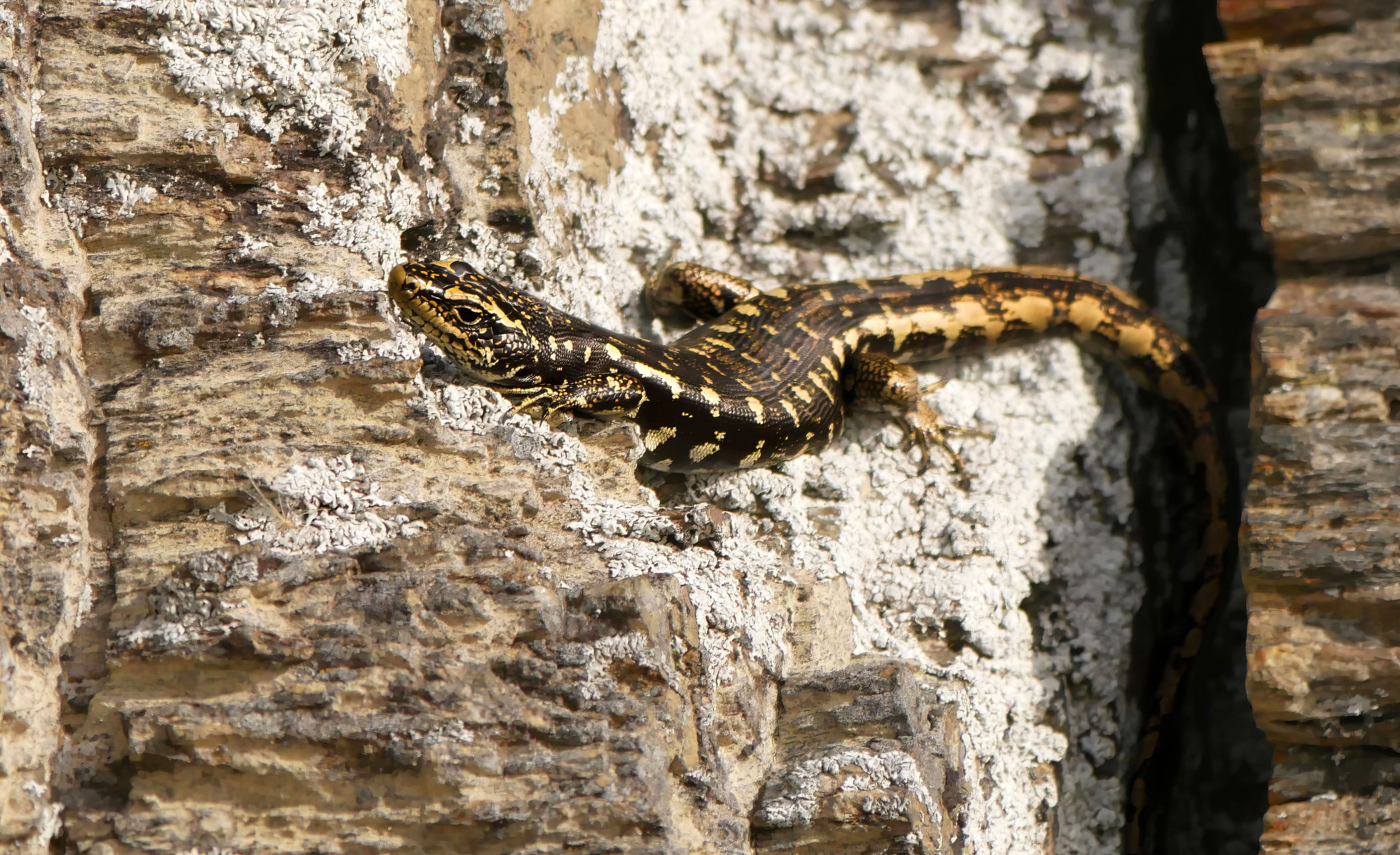
Recent field observations have confirmed two native lizard species that had previously gone undetected in the landscape, including Tussock Skinks (Oligosoma chionochloescens — At Risk: Declining) and Kōrero geckos (Woodworthia “Otago-large” — At Risk: Declining). Both species had been searched for during earlier lizard surveys but had never been successfully located.
It’s incredible to know these species are still hanging on alongside the more abundant McCann’s skinks in our landscape — but unfortunately we came to this discovery in a confronting way.
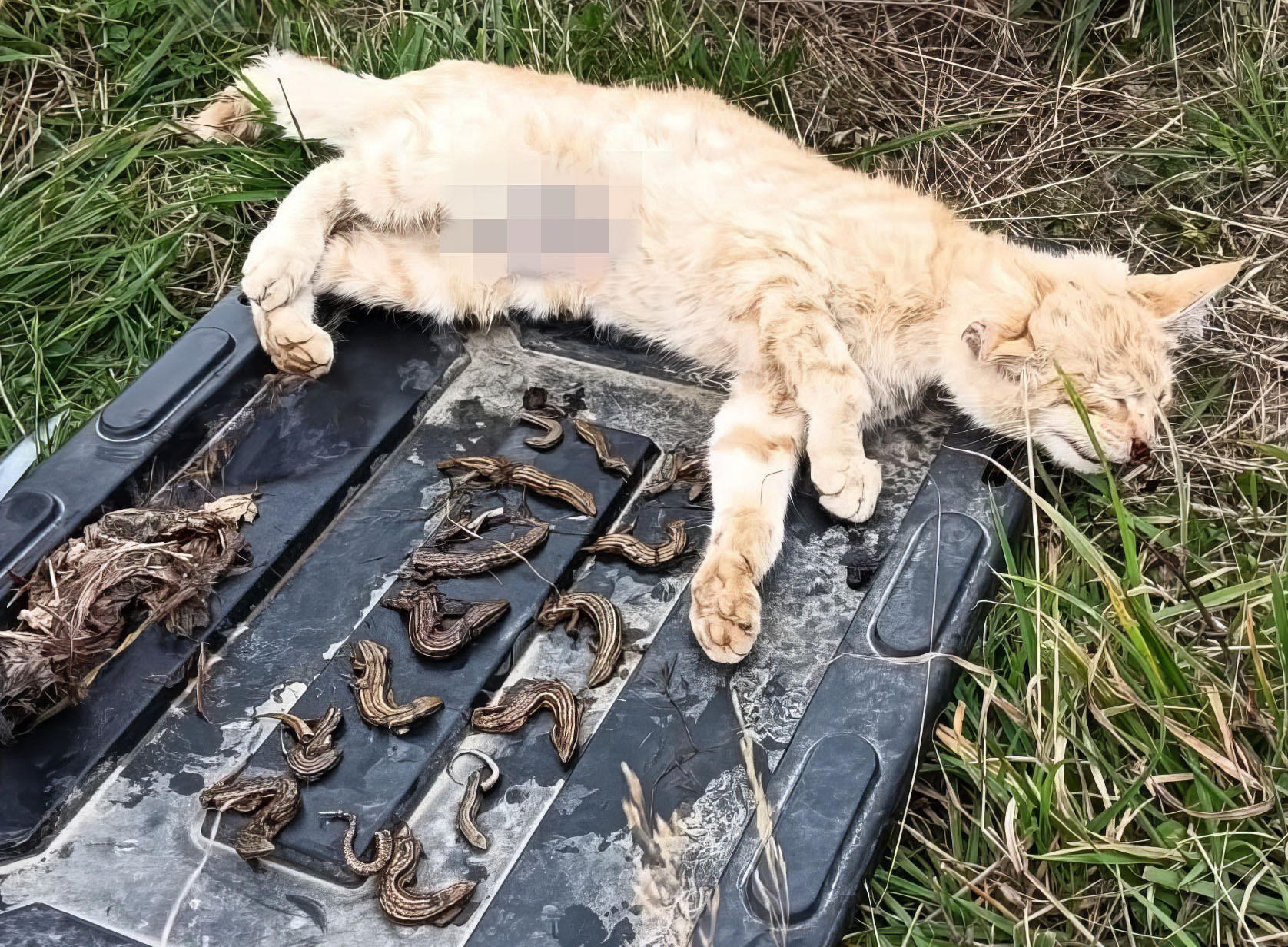
At the end of April, we dissected a freshly trapped feral cat and found its stomach contained 14 native skinks swallowed whole: a mixture of McCann’s skinks and Tussock skinks. That was from just one cat, after what was likely a single day of feeding. When you begin to scale that across the wider landscape, the impact on native lizard populations becomes hard to ignore.
While setting additional cat traps nearby, Jamie searched through schist outcrops covered in porcupine shrub and discovered a family of three geckos peering out from a rock crevice. Camera traps at the saddle immediately beside this rock stack recorded three feral cats in the same area within the past week.
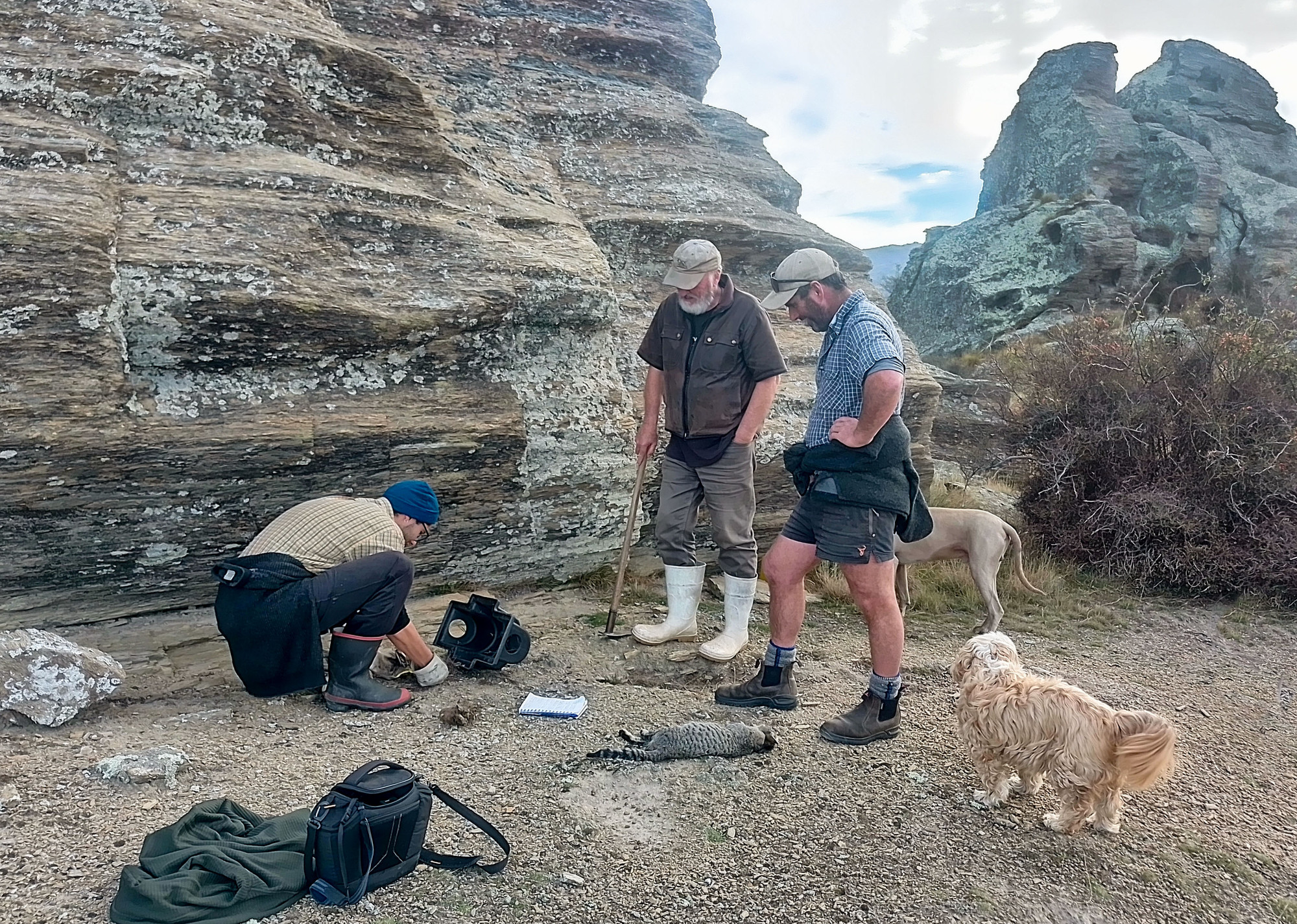
Recently, Camillo (HMWCG Intern), Jamie (Project Coordinator), and David (HMWCG President) travelled to Middlemarch to meet a landowner who has spent more than 20 years trapping feral cats, stoats, and ferrets on his property. His long-term predator control work has helped a tiny remnant population of Otago skinks (Oligosoma otagense -- Threatened Nationally Increasing) recover into a thriving colony. We were chuffed to be there on a sunny day and see some of these rare skinks in the wild. Hearing his experiences and lessons from over two decades of trapping gave us much to consider as we refine our own feral cat control approach for our 6000 hectare patch.
Since predator camera monitoring began in the project area, feral cats have consistently had the highest detection rates of any predator species we monitor. Because the landscape is remote, this is a fully feral cat population. Feral cats have now also been formally added to the Predator Free 2050 target species list.
Over winter we are trialling a range of different control tools and techniques, including:
• SX220 trap sets with lure pumps
• alternating salmon mayonnaise lures in AT220s
• camera-monitored cage trapping
• thermal and night-vision optics
• co-located Timms traps at known scavenging sites
This semester we also had the opportunity to spend field time and share learning with Otago University Wildlife Management students. We hope future collaborative projects — including future control trials and further stomach content analysis — will help us better understand the threats facing native wildlife, improve feral cat management techniques, and deepen our understanding of how to protect this unique landscape.
We hope to share the successes, failures, and lessons from these trials later in the year so that other conservation projects and passionate trappers can benefit from what we learn while tackling one of our most difficult predator species.