
Our Conservation Activities
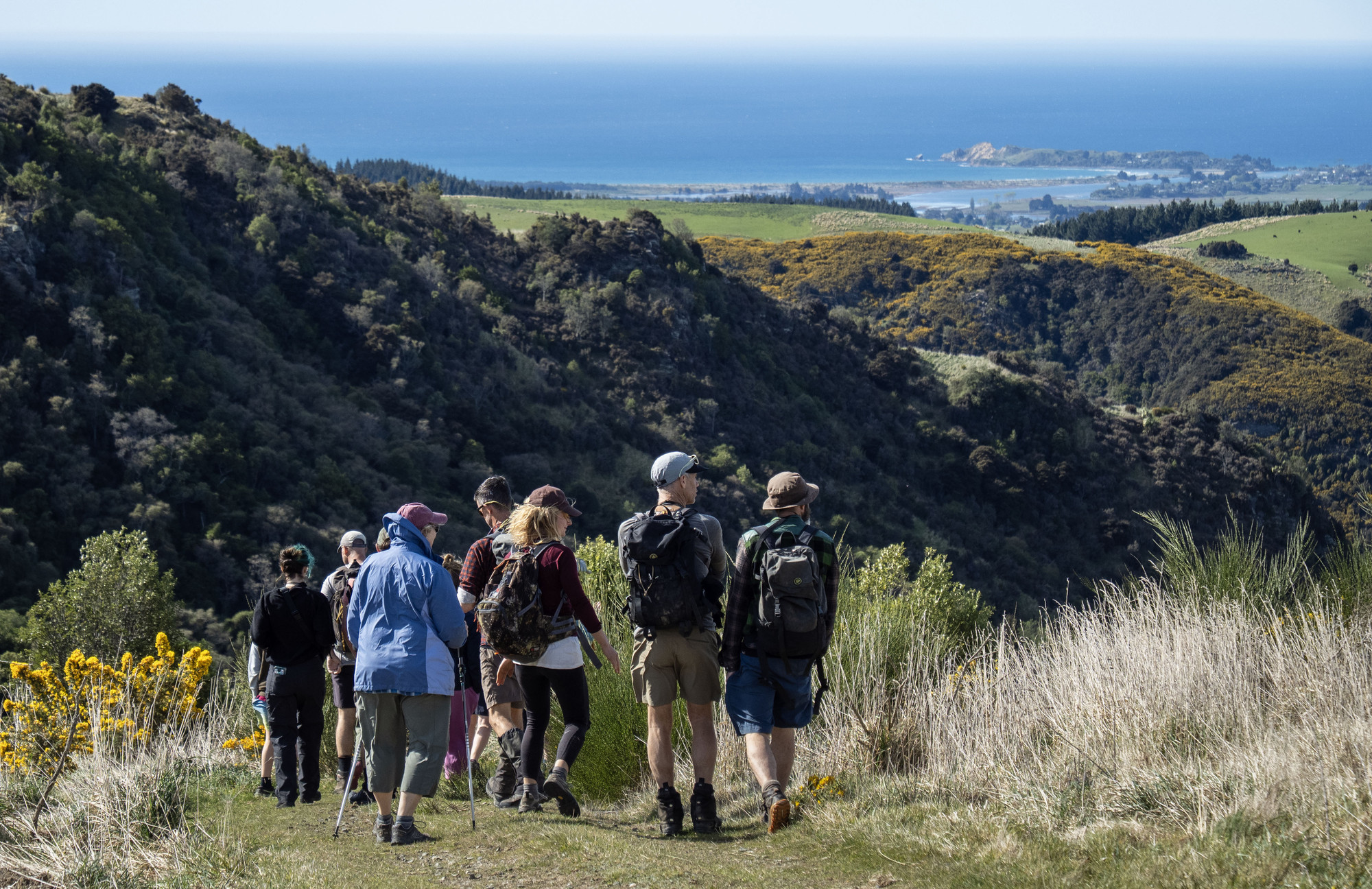
Protecting biodiveristy in the Hikaroroa / Mt Watkin area means understanding how the ecosystem is changing, tackling the threats we can influence, and building needed skills in our community to care for this place over the long term.
Our work brings together
pest control, biodiversity monitoring, ecological research, education and community participation across the Hikaroroa landscape. This work happens in partnership with surrounding landowners, Kāti Huirapa Rūnaka ki Puketeraki, researchers, councils and other conservation organisations, as well as members of the community.
Project Governance
The conservation project is managed through a collaborative approach across public and private land. Dunedin City Council (DCC) pest control operations form the backbone of conservation management within the Hikaroroa / Mt Watkin Scenic Reserve, with HMWCG working alongside DCC staff and contractors to support and deliver operations within the reserve. On the surrounding private land, HMWCG coordinates and delivers pest control, biodiversity monitoring and wider conservation activities in partnership with local landowners. This work is supported through ecological and community funding from the Department of Conservation (DOC), Dunedin City Council (DCC), Otago Regional Council (ORC) and other project partners, allowing conservation management to extend beyond the reserve boundary and operate holistically across the wider ecological landscape.
Pest Animal Control
Introduced mammals remain one of the biggest pressures on the forests and wildlife of Hikaroroa. Pest management in the area targets possums, mustelids, feral cats and browsing mammals such as pigs, goats and deer. We use a mixture of permanent trap networks, targeted knockdown operations and emerging technologies. Pest abundance and control results are monitored so that we can assess whether our work is actually achieving ecological outcomes.
Our long-term goal is to maintain pest populations at levels that allow native forest, birds, lizards, and invertabrate comunities to recover and thrive.
More about Pest Animal Control.
Biodiversity Monitoring
Good conservation starts with knowing what is happening. We undertake a growing programme of biodiversity and pest monitoring to build a long-term picture of the ecological health of the landscape. This includes forest bird counts, forest regeneration monitoring, pest abundance surveys, terrestrial invertebrate monitoring, and targeted threatened species surveys.
Monitoring is repeated using standardised methods so that results can be compared over the years. This information helps us identify where intervention is needed, measure whether management is working, and helps us make better decisions about where limited conservation resources should be directed.
More about Biodiversity Monitoring.
Research & Learning
Hikaroroa is increasingly becoming a place where practical conservation and ecological research meet.
We work with researchers and students to investigate questions that directly inform management and learning of the landscape. This includes our ongoing relationship with the University of Otago Wildlife Management programme, and collaborations with the Bioeconomy Science Institute (Manaaki Whenua -- Landcare Research Group).
Over time, we hope Hikaroroa can continue to grow as a place for applied conservation research—where questions raised in the field can become research projects, and research findings can be translated into actions that support both the Hikaroroa Project as well as other community conservation efforts around the country.
See our Resources page for some research results and learnings we can share.
Education
We beleive fostering knowledge and landscape connection are important.
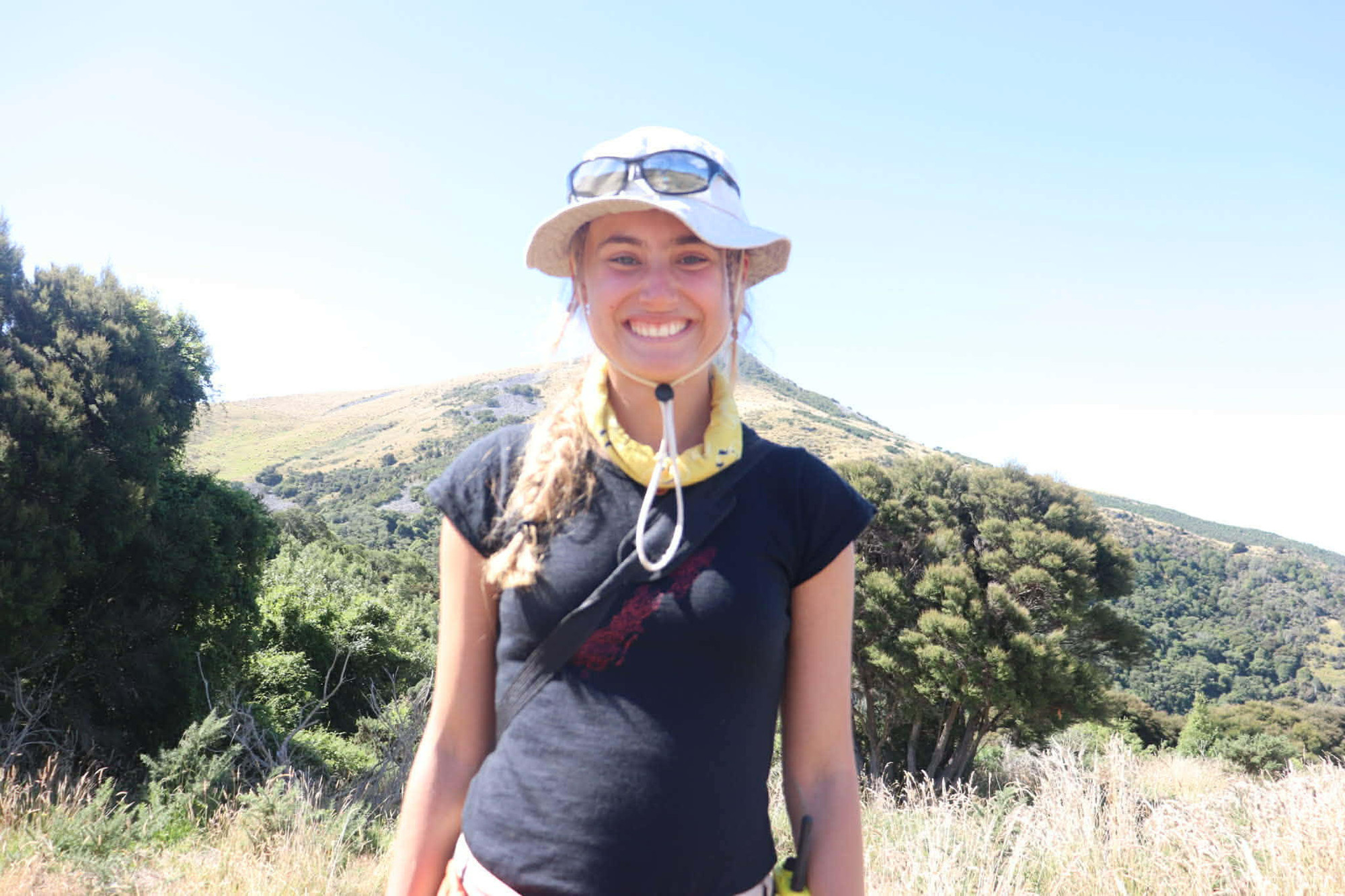
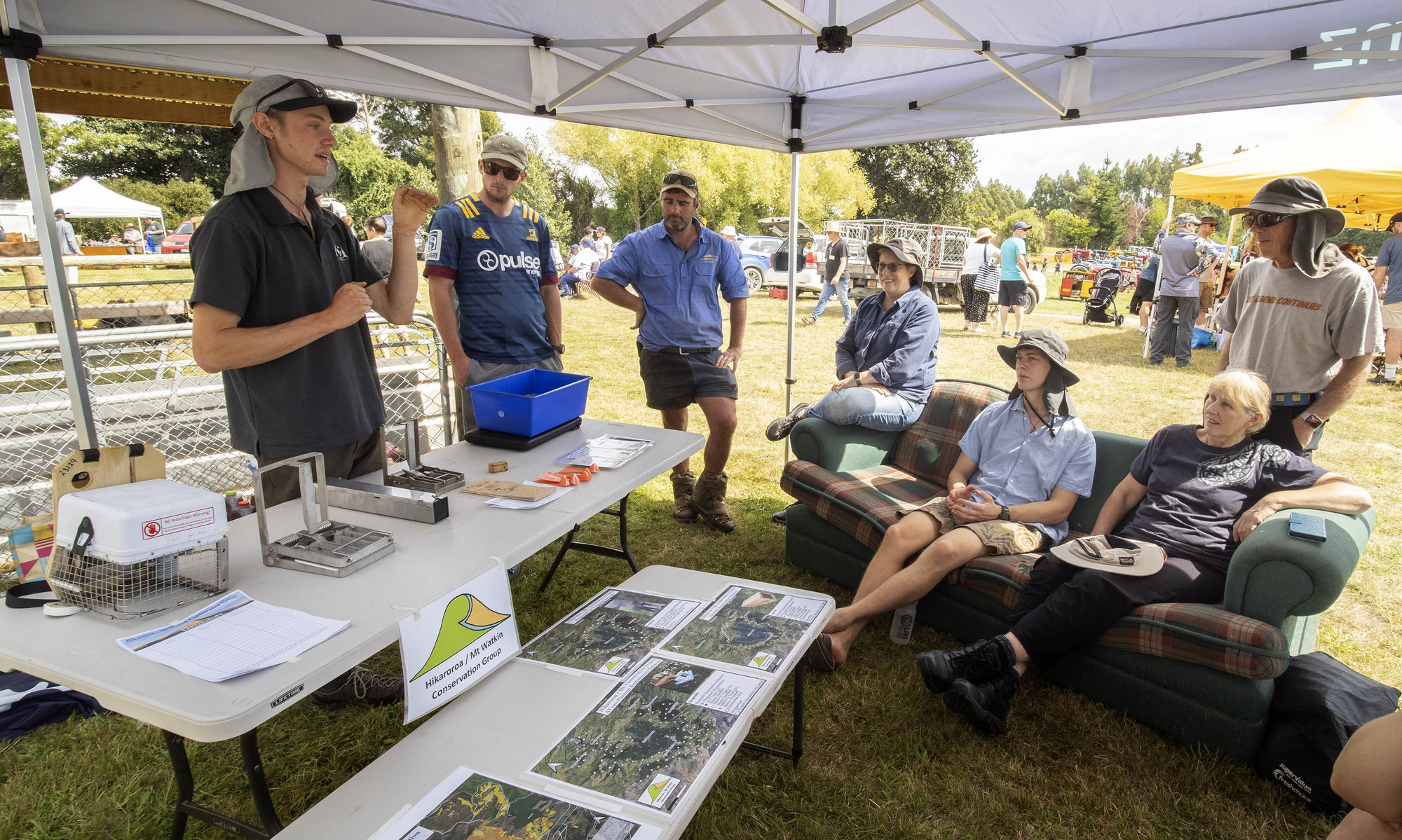
We run community presentations, workshops, and field days where people can learn about the ecology of the area. We host oppurtunities for gaining practical conservation experience and provide oppurtunites that support the gaining of industry standard qualifications.
We also work with young people. For example, field trips with Waikouaiti School give local students the opportunity to explore the ngahere, learn about native plants and wildlife while understanding the pressures they face. The field trips help young students see conservation happening on their local mauka.
Our work with university students provides oppurtunities for the next generation of conservation practitioners to gain practical experience and also learn how to support community conservation initiatves.
Our internship programme takes that learning a step further. Interns spend an extended period working alongside the project team, gaining hands-on experience across the different parts of the project—from pest control and biodiversity monitoring, equipment maintenance, data management, community event facilitation, and project operations. The programme provides an entry point for people wanting to develop practical conservation experience while also bringing new energy, skills and perspectives into Hikaroroa.
See more about education and training.
Community Conservation
Ecological health depends on the people who live around, , work in, study, and care about their local community.
HMWCG brings together landowners, volunteers, mana whenua, researchers, students, schools, councils, conservation organisations and the wider community around a shared goal: maintaining a healthy, resilient landscape of one of the most significant biodiversity hotspots in our ecological district for generations to come.